
ICE Enforcement Tactics in Healthcare Facilities: An Unexpected Intersection of Law and Compassion
The recent incident at a Southern California surgical center has sparked a range of discussions about law enforcement practices, civil rights, and the role that private institutions should play when government agents are on site. This case—in which ICE agents attempted to detain a Honduran landscaper and were met with resistance from surgical center staff demanding a warrant—brings to light many tangled issues concerning warrant requirements, civil liberties, and professional responsibility among healthcare providers.
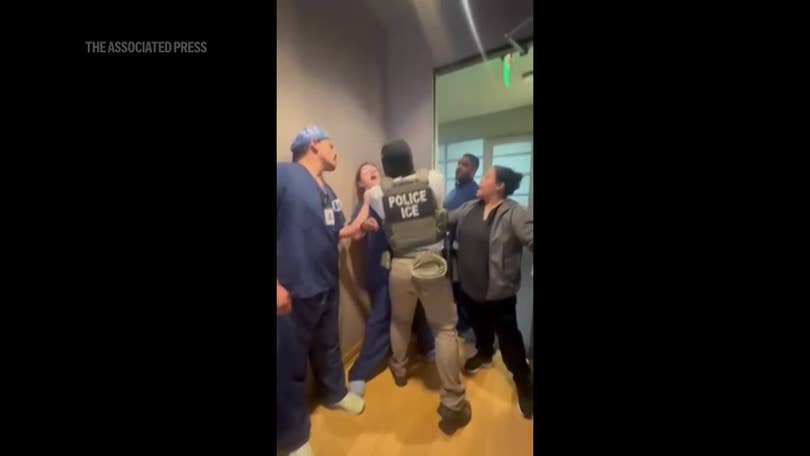
At first glance, the scene emerging from the Ontario Advanced Surgery Center seems like something out of a nerve-racking movie. Footage that circulated widely shows medical staff in blue scrubs, standing their ground as the immigration agents, masked and clad in bulletproof vests, pursued legal action without first revealing the necessary credentials or a warrant. These confusing bits of the operation have left many questioning whether the fine points of law enforcement are being followed in sensitive settings.
While federal agents are expected to have the authority to detain individuals suspected of immigration violations, there is a legal foundation requiring that such an action be supported by proper documentation. In this instance, clinic staff quickly reminded the agents that they did not even possess a warrant—a statement that echoes longstanding legal principles regarding rights to privacy and due process. The incident prompts us to take a closer look at how law enforcement operations intersect with private space and the rights of non-citizens and citizens alike.
Legal Foundations: Warrant Requirements and the Rights of the Detained
One of the key legal standpoints in this case is the requirement that government agents present a warrant during detentions that take place in environments not typically designated for law enforcement operations. Healthcare facilities, in particular, have long been seen as sanctuaries of care where civil liberties should be respected. The staff’s call to “get your hands off him” is not just a reaction to what might have been seen as overzealous behavior—it is also a reminder of established legal procedures that govern arrest and detention.
It is essential to understand the following practical legal points that come into play when detention happens outside an expected environment:
- Warrant Certainty: A warrant provides legal justification for detention. Without it, any attempt at arrest in a private facility can be seen as a violation of an individual’s rights.
- Scope of Authority: Even federal agents must operate within the limits of their legal powers. A surgical center is not typically a site for immigration raids, and any command without documentation only complicates legal liabilities.
- Privacy Concerns: Healthcare facilities are bound by strict patient privacy rules. An unsanctioned arrest on site could potentially breach both privacy and ethical standards.
These points highlight that while ICE has broad authority in targeting undocumented individuals, this authority must be exercised in a way that does not trample on civil liberties or endanger patient care. When staff members intervene in such a tense environment, they are taking a stand not only for the individual being detained but also for the integrity of the institution itself.
Healthcare Institutions as Safe Havens: Examining Staff Responses
Another important aspect to consider in this saga is the role of healthcare professionals in safeguarding the well-being of those in their care. In the midst of a heated standoff, the employees at the surgical center were not merely watching events unfold—they actively intervened. Their actions were crucial, and they underscore several key ideas:
- Duty of Care: Medical staff are ethically bound to protect and attend to all patients, including those who might be in the midst of an immigration-related issue. Their immediate concern was the well-being of the individual who appeared frightened and breathless.
- Professional Responsibility: Beyond ethical considerations, the intervention by the staff can be seen as an effort to uphold the institution’s integrity and to ensure that established legal protocols are respected.
- Civic Courage: The demeanor of the healthcare professionals, as captured in the video, conveyed a mix of professionalism and civic responsibility that many expect institutions dedicated to health and care to exhibit.
In speaking about this incident, one cannot help but admire the calm determination displayed by the clinic staff. Their stance under overwhelming circumstances reminds us that even when faced with potentially intimidating and messy legal entanglements, defense of human dignity and rights is paramount. They worked through a situation rife with tension by sticking to legal and ethical principles, emphasizing the need for a procedural warrant before any forcible action can be taken.
Immigration Enforcement Versus Civil Liberties: A Legal and Ethical Balancing Act
This case is emblematic of a broader debate on the balance between immigration enforcement and civil liberties. Over the past few years, ICE has become increasingly visible in its operations—in some instances conducting aggressive, targeted operations in workplaces, and, as seen here, even within highly sensitive environments like healthcare facilities. Such actions, while legally grounded in immigration law, also raise many tangled issues related to civil liberties and the separation of powers.
The following points encapsulate the core concerns:
| Concern | Description |
|---|---|
| Procedural Fairness | The expectation that government agents provide due process, including the presentation of a warrant before detaining an individual in a private setting. |
| Community Trust | When detentions occur in public or semi-public spaces, they can strain the trust between immigrant communities and local institutions. |
| Legal Accountability | Without clear documentation and adherence to legal protocols, sensitive operations risk legal challenges and accusations of overreach. |
| Ethical Considerations | The actions of ICE must be balanced against the rights of individuals to seek medical care without fear of abrupt detention. |
Each of these points reflects the fine shades that legal professionals and policymakers must consider when formulating or enforcing immigration policies. On one hand, immigration laws are enforced to maintain national security and to manage the country’s borders. On the other, civil liberties and the sanctity of personal privacy, especially in places of healing, remain critical and must be guarded vigilantly.
The Role of Judicial Oversight in Immigration Raids
Court rulings have long served as a counterbalance to potential overreach by law enforcement. In recent years, there have been calls for more judicial oversight over ICE operations, particularly in situations where detentions occur without the usual legal protocols. It is not unusual for courts to scrutinize each step of an operation if there is evidence that procedures were not followed properly. Cases such as these remind legal professionals and the public alike that:
- Judicial Checks: Courts serve as a critical checkpoint to ensure that even as federal agencies operate in the realm of national security and immigration, they do so within the strict boundaries established by law.
- Legal Recourse: When procedures are not followed, individuals have the right to contest the actions taken against them, upholding the principles of fairness and due process.
- Policy Reforms: Incidents like this one may prompt legislators to revisit and reform policies, ensuring that law enforcement practices adhere to the necessary legal standards in all types of environments.
The judicial system’s role in overseeing immigration enforcement is super important. An effective legal system balances the state’s power to enforce law with the protection of individual rights—particularly when those rights are compromised in unexpected settings like healthcare facilities.
Community Reactions and the Impact on Public Trust in Immigration Enforcement
The footage of the standoff at the surgical center quickly went viral, fueling public debate about the methods employed by ICE. Community response has been mixed, with some lauding the brave actions of the medical staff and others questioning the increased public visibility of immigration enforcement tactics. For many community members, such events are not just legal or political issues—they are deeply personal.
There are several reasons for this heightened sensitivity:
- Personal Histories: Many in immigrant communities have experienced or witnessed the off-putting effects of aggressive law enforcement tactics, which can contribute to a climate of fear and mistrust.
- Overall Societal Impact: Public detentions, particularly in spaces expected to be safe havens, challenge the notion of public trust in both institutions and government agencies.
- Ripple Effects on Health and Well-Being: When detention activities encroach upon healthcare settings, the impact goes far beyond legal debates and touches on the personal health and mental well-being of community members.
For many, the image of surgical center employees standing up to armed agents is both inspiring and a call to examine how immigration enforcement is deployed. Even as the application of immigration law remains full of problems and politically charged, such events remind us that the human component—including empathy, moral courage, and community solidarity—must never be sidelined.
Comparing Enforcement Tactics: ICE Versus Local Law Enforcement
One of the more tricky parts of understanding this situation is comparing ICE’s operation to similar actions by local law enforcement. While local agencies are often seen patrolling neighborhoods to enforce laws unequivocally, ICE’s approach in this instance diverged from what one might expect in a typical police situation. The key differences include:
- Operational Environment: Local law enforcement generally operates in clearly defined public or criminal spaces, whereas ICE was operating inside a private medical facility.
- Tactical Approach: The use of armed agents in protective gear in a sensitive healthcare environment can appear more intimidating than operations conducted within public spaces.
- Legal Precedents: While local arrests are often preceded by inquiries and clear procedures, actions taken by federal agents in such settings may not always follow the same straightforward path.
Understanding these operational differences may help in figuring a path to reform. A more measured approach that respects the sanctity of private areas—especially those dedicated to health and human services—could preserve both national security interests and community trust.
Policy Implications: Lessons for Future Immigration Enforcement Procedures
This incident at the surgical center presents several key lessons for policymakers and practitioners who manage immigration enforcement operations. Use of less invasive tactics and clearer guidelines on when detentions are legally permissible in private spaces would alleviate many of the concerns raised by this case. Some suggestions for future policy considerations include:
- Clear Guidelines for Detentions:
- Mandate the presentation of a warrant before entering spaces not designated for law enforcement.
- Develop strict protocols to manage interactions with non-criminal environments such as hospitals and clinics.
- Enhanced Training for Agents:
- Provide additional training focused on the subtle parts of civil liberties and patient rights.
- Include modules on managing public interactions and minimizing community tension.
- Increased Oversight and Accountability:
- Institute regular reviews of operations conducted in sensitive environments.
- Create independent oversight committees to evaluate enforcement tactics and ensure adherence to legal standards.
- Community Engagement:
- Foster partnerships between law enforcement and local community leaders to better understand the unique challenges faced by immigrant populations.
- Establish channels for regular feedback on enforcement practices and the impacts of operations in communal spaces.
As policymakers take a closer look at ICE operations and the responsibilities of federal agents, there is a super important need for regulations that guard against overreach. Making use of established legal frameworks while accommodating the needs of diverse communities can forge a more balanced path forward.
Breaking Down the Tense Moments: A Closer Look at the Standoff
The standoff at the Ontario Advanced Surgery Center offers a vivid scene that is both unsettling and instructive. The tension in the video—where a crying, breathless man was shielded by clinic staff—brings into focus several subtle details about power dynamics in high-pressure moments. Observers noted the following aspects:
- The Changing Power Dynamics: The staff’s intervention temporarily shifted the balance during a nerve-racking encounter, demonstrating that even in the face of armed authority, a collective stance can evoke considerable respect.
- Visual Symbolism: The image of employees in blue scrubs acting as guardians of patient rights sends a powerful message about duty and protection, which resonates deeply within the community.
- Immediate Human Impact: Beyond legal debates, the situation had a real human cost. The landscape of fear and uncertainty that can emerge when enforcement tactics cross personal boundaries is a reminder of why caution and legal clarity are so vital.
These fine shades of tension are not just legal technicalities; they are vivid reminders of how law enforcement practices can affect individual lives in very direct ways. The scene forces everyone involved—lawmakers, law enforcement agents, medical staff, and the community—to engage in a serious conversation about balancing authority with compassion.
Evaluating the Broader Immigration Climate and Its Legal Ramifications
At its core, this event is one small chapter in a much larger narrative about immigration enforcement in the United States. Over the past several years, ICE operations have increasingly ventured into realms that were once considered off-limits, such as schools, workplaces, and healthcare facilities. This trend has several implications that are full of problems and loaded with tension:
- Shifting Enforcement Priorities: The aggressive tactics displayed in some recent operations suggest a departure from traditional enforcement methods, putting more pressure on institutions not primarily designed for such confrontations.
- Legal Ambiguities: When detention occurs in spaces like a surgical center, the application of warrant requirements and civil liberties becomes even more complicated, raising numerous questions about accountability and legal oversight.
- The Role of Public Opinion: In today’s era of rapid information sharing, video footage of these interactions can shape public opinion and prompt rapid legal and political responses. This influence can lead to calls for reform and heightened judicial scrutiny.
By taking a closer look at these broader legal ramifications, one can see the need for a balanced approach—one that recognizes the rights of individuals while still giving law enforcement the tools it needs to do its job effectively. As legal professionals weigh in on these issues, it becomes clear that dialogue and reform are both necessary to address the fine details of modern immigration enforcement.
Practical Strategies for Protecting Civil Liberties in High-Stakes Scenarios
The lessons gleaned from this incident are not just theoretical. They offer practical strategies for safeguarding civil liberties when law enforcement enters spaces that are normally reserved for care and community. Here are some key strategies that might help manage these tricky parts during future operations:
- Enhanced Coordination: Develop protocols for communication between law enforcement and private institutions to ensure that everyone’s rights and responsibilities are clear from the outset.
- Clear Signaling of Legal Authority: Require that any federal agent engaged in detentions present a legally valid warrant before initiating enforcement action. This step can reduce misunderstandings and build trust among bystanders.
- Training in Conflict De-escalation: Provide regular training for both law enforcement agents and private sector employees, allowing them to work together should conflicts arise. De-escalation training is essential in managing nerve-racking situations without escalating tensions.
- Regular Legal Reviews: Ensure that any enforcement action in sensitive settings is subject to prompt legal review and accountability measures, thereby averting any lingering legal disputes.
Employing these measures can not only protect individual rights but also help avoid scenarios where aggressive enforcement tactics lead to community unrest. The experience at the surgical center serves as an off-putting reminder that without proper checks and balances, enforcement actions can easily spiral into tense encounters that damage public trust.
Conclusion: Moving Toward a More Balanced and Transparent Enforcement Strategy
The standoff at the Ontario Advanced Surgery Center is emblematic of the challenges posed by today’s evolving immigration enforcement landscape. What began as an operation intended to detain an undocumented worker evolved into a public confrontation at a healthcare facility, throwing into sharp relief the subtle parts of legal protocol and civil rights that are at stake. It is critical that law enforcement agencies, healthcare institutions, and policymakers work together to make sure that enforcement actions are not only legal but also managed in a way that respects the human dignity of everyone involved.
The incident invites us all to dig into the broader legal framework governing immigration detentions and to question whether current practices meet the key requirements of fairness and transparency. It also underscores the importance of staff at private institutions stepping forward to protect individuals in a setting that should remain free of undue legal interference.
As communities demand accountability and legal clarity, the actions taken on that day serve as both a warning and a call to action. There needs to be a recalibration of policy—one that takes into account the rights of individuals, the sanctity of private spaces, and the responsibilities of federal agents operating in environments that are not traditionally associated with law enforcement. Whether one sees the incident as an example of necessary enforcement or as an aggressive overreach, the consensus must be that adherence to due process and respect for civil liberties are non-negotiable.
In conclusion, the lessons from this encounter are more critical now than ever. They challenge us to figure a path through the tangled issues of immigration law, patient privacy, and civil rights, urging us to create an environment where law enforcement can coexist with protected safe havens. Only by ensuring that procedures are transparent, balanced, and respectful of individual freedoms can the legal system maintain its integrity in these nerve-racking times.
Moving forward, it is imperative that all stakeholders—policymakers, law enforcement agencies, and community leaders alike—join forces to implement reforms that uphold the rule of law while mitigating the risk of public discontent. As these challenging moments continue to shape public debate, our collective responsibility is to ensure that the twists and turns of immigration enforcement become a catalyst for positive change, not a source of heightened tension and fear.
Ultimately, the events at the surgical center remind us that even within the realm of complicated legal processes and intimidating enforcement tactics, there is room for principles of justice, compassion, and transparency. The responsibility now lies in making sure that every future operation, regardless of circumstance, is handled with the careful consideration of both legal requirements and the human element—a balance that is not only necessary but absolutely critical for the protection of our shared values.
Originally Post From https://ktar.com/national-news/california-surgical-center-staff-demand-to-see-warrant-as-ice-agents-detain-landscaper/5727143/
Read more about this topic at
ICE standoff at California clinic over Honduran landscaper
ICE Detains Landscaper After He Runs Into Surgery Center …