Maricopa Vape Shops and the Battle Over Synthetic Kratom: A Community in Crisis
In recent months, Maricopa has become ground zero for a heated debate about the sale of synthetic kratom products in local vape shops. This issue is not just about a so-called “herbal supplement” gone wrong—it is about a tangled mix of public safety, regulatory loopholes, and heart-wrenching personal tragedies that have forced communities, lawmakers, and law enforcement officials to take a closer look at what is happening on their streets. In this opinion editorial, we explore the story behind the headlines, the regulatory challenges, and the real-life impact on families, drawing on case studies and firsthand testimonies to figure a path toward a more secure future.
The Tragic Human Cost and the Personal Angle
The tragedy of Matthew Eller—a young man who lost his life following a kratom overdose—illustrates the overwhelming human cost behind this crisis. Matthew’s mother, Susan Eppard, recounts the period when her son’s life was irreversibly changed by a substance that, in his eyes, was harmless. His sleep, described as deep and coma-like, concealed the creeping addiction that ultimately fatally undermined his well-being. More than just a statistic, Matt’s case shows the small distinctions between what many see as a “natural supplement” and what, in fact, constitutes a potent opioid substance.
What is especially disheartening is the fact that many consumers, like Matthew, initially saw kratom as a means to boost energy or manage pain—comparable to a strong cup of coffee. However, the fine points of its pharmacology, coupled with misleading marketing and a lack of clear regulation, meant that users never realized the dangerous twists and turns lying ahead. His mother’s anguished testimony—“Kratom sucked his soul out before it even took his life”—resonates as a harsh criticism of a system that appears to let deadly products slip through the cracks of legislation.
Regulatory Loopholes: The 2% Rule and Its Tangled Issues
At the heart of the controversy is Arizona’s Kratom Consumer Protection Act of 2019. The law was designed with a specific goal in mind: to allow the natural kratom plant to be sold while prohibiting the sale of its synthetic counterparts, such as the concentrated 7-hydroxymitragynine (known as 7-OH), that exceed a 2% threshold by alkaloid content. Ideally, this regulation should serve as a key protective measure. However, in practice, the law’s implementation has proven riddled with problems.
Within many Maricopa vape shops, products clearly exceeding the 2% legal limit are readily available. Despite the clarity of the regulatory language—the Arizona Department of Health Services (ADHS) explicitly states that no product may exceed the 2% threshold—retailers continue to stock these products. The regulations have created a situation where the law is more theoretical than practical, providing an intimidating reminder that clear rules on paper can sometimes be undermined by reality on the shelves.
Key Points and Observations on the Regulatory Loophole
- Arizona’s law only mandates enforcement when consumer complaints are lodged or when a direct public safety threat is apparent.
- Local enforcement agencies, such as the Maricopa Police Department, admit that they have not initiated targeted actions because they have not been formally instructed to do so.
- Vape shop owners at establishments like Vape Etc. and The Smoker’s Edge acknowledge that synthetic 7-OH products sell out quickly, even if they are technically above the legal threshold.
- Some vendors admit confusion about the applicable state laws and rely solely on their suppliers for guidance.
This scenario highlights the tricky parts of a legal framework that appears clear in its wording but becomes muddled in practice when enforcement is either too passive or inconsistent. With a lack of routine inspections and testing, the law effectively becomes a guideline rather than an enforced standard.
Consumers, Vendors, and a Market in Flux
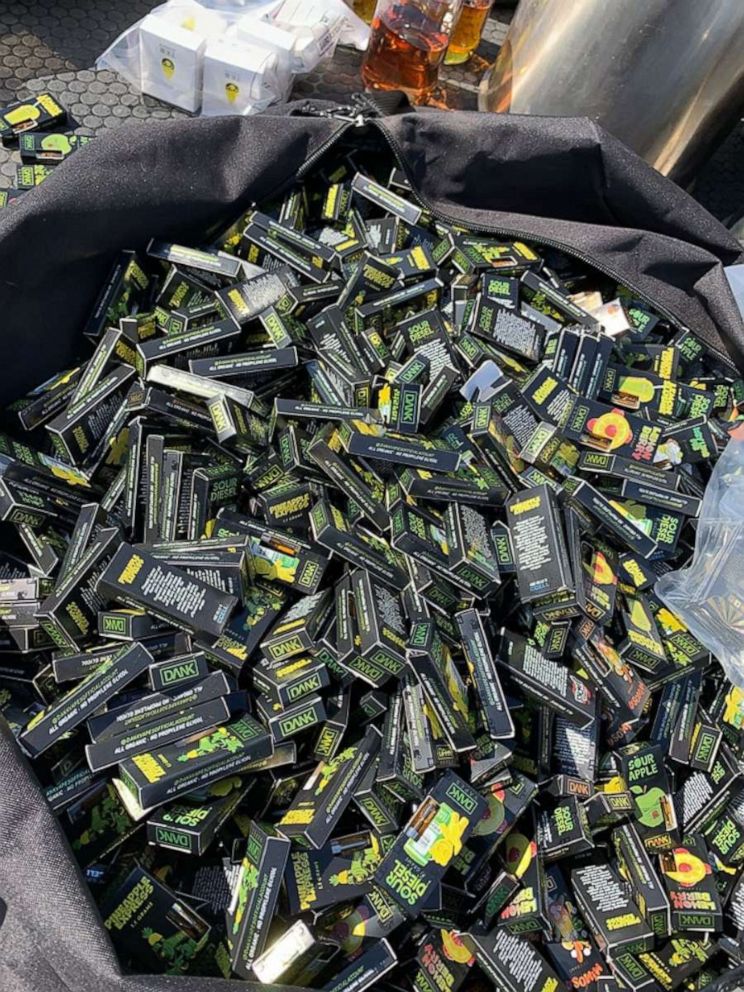
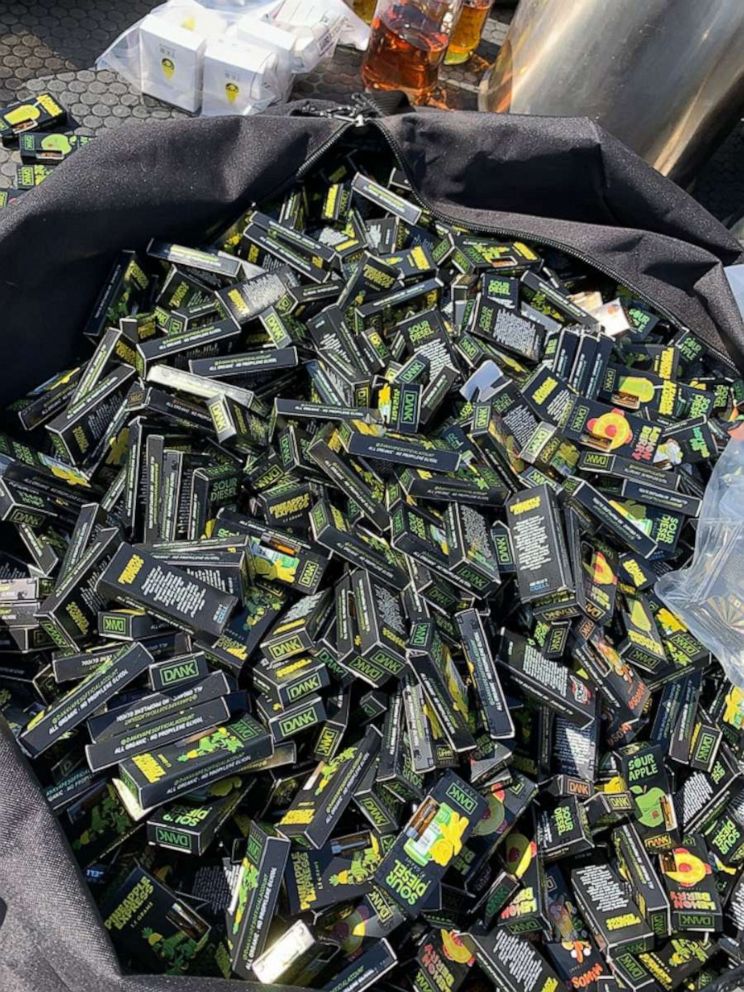
Walking into a local vape shop today, one might be struck by the casual presentation of substances that, by any scientific measure, are dangerously potent. Retailers fill their limited shelves with products marketed under names that subtly reference prescription opioids. The small distinctions in packaging are meant to evoke familiarity and safety in consumers, even though the substance inside is anything but benign.
Take a closer look at how these products are sold:
| Product | Description | Legal Limit |
|---|---|---|
| 7-OH Tablets | Highly potent synthetic derivative, marketed as “Blues” or “Perks” | Exceeds 2% limit, yet available on shelves |
| Traditional Kratom Leaf | Natural product used for its purported energizing effects | Generally compliant with regulations |
The ease with which marijuana consumers acquire these potent substances—even when vendors are aware of the potentially dangerous addictive properties—speaks to a market that is teetering dangerously close to a full-scale public health crisis. Many store owners explain that the high demand for these products forces them to stock items that are clearly above the legal limit. Their narrow profit margins and the lure of fast money from a product that sells out within days illustrate a scenario where commerce and caution are in constant conflict.
State and Federal Efforts: A Balancing Act Between Safety and Liberty
On a broader scale, state and federal regulators are now beginning to react to the growing concerns about synthetic 7-OH and its role in the potential escalation of the opioid crisis. On July 29 of this year, the FDA recommended that synthetic 7-OH be scheduled as a controlled substance—aiming to set a clear dividing line between the natural kratom leaf and its dangerous synthetic version. This move was quickly followed by swift action from Florida’s attorney general, who imposed emergency bans on synthetic variants.
These federal and state efforts aim to send a clear message: synthetic products that exceed safe levels are to be treated as opioids, irrespective of how they are packaged or marketed. The analogy offered by pharmacologist Dr. Charles White—comparing the extraction of cyanide from an apple seed to the extraction of dangerous alkaloids from kratom—paints a stark picture of the potential consequences of letting the current status quo persist.
Comparing Regulatory Approaches: A Closer Look at State Action
- Florida’s Example: Florida initially set a 1% cap on synthetic products which was quickly exploited until the state revised the threshold to 0.04% by dried weight after recognizing potential loopholes.
- Arizona’s Current Rule: Arizona’s 2% cap remains on the books but, in practice, is largely unenforced, creating an environment where dangerous products are sold with minimal oversight.
- Federal Recommendations: The FDA’s recommendation to schedule synthetic 7-OH as a controlled substance is seen by many as a necessary step for real enforcement and a systematic shutdown of dangerous loopholes.
While these state and federal actions are important, they also underscore the need for regional collaboration and better communication across different levels of government. Only by working together can lawmakers and regulatory agencies plug the gaps that allow the sale of dangerously potent synthetic products on the streets.
The Role of Local Law Enforcement: A Case of Cautious Compliance
Local law enforcement in Maricopa presents a picture that is both concerning and understandable. The Maricopa Police Department, for instance, has repeatedly stated that they are ready to intervene, but only when formally asked to—either by state agencies or as a result of clear public safety threats. The absence of proactive enforcement efforts means that dangerous products continue to circulate without much resistance.
Many community members find this passive stance nerve-racking. They ask the obvious: “If the law prohibits the sale of these substances, why aren’t vigilante-style busts or regular inspections happening?” The answer may lie in the very nature of the law as it stands. Without a clear mandate for regular testing or inspections, local agencies are forced into a reactive mode rather than a proactive one.
Moreover, as demonstrated by the statements from retailers who claim ignorance of the full implications of the state law, there is a widespread need for better education among vendors regarding the small distinctions between similar products. When the line between a natural supplement and a controlled opioid becomes blurred, it is essential that both vendors and consumers are given clear, straightforward information about what they are really buying, and the associated risks.
The Practical Challenges for Local Authorities
- Ambiguity in Enforcement: The law currently relies on consumer complaints or noticeable public health threats to trigger action, leaving giant loopholes that allow continual sale.
- Limited Resources: Local law enforcement agencies often face resource constraints, making routine and aggressive inspections a challenging proposition.
- Dependence on State Agencies: With ADHS and the Attorney General’s Office holding the primary responsibility for enforcement, local agencies are left waiting for clear directives before intervening.
This situation means that while there is an acknowledged risk, local police are, at best, limited players in a field dominated by bigger bureaucracies and regulatory agencies. As long as these challenges persist, the local community remains vulnerable to the harmful effects of synthetic kratom.
Looking Ahead: Legislative Proposals and Community Advocacy
As public concern grows over the untamed sale of synthetic kratom, local lawmakers have started to feel the pressure to act. State Representative T.J. Shope has been quoted explaining that Arizona’s lawmakers are already considering adjustments to align more closely with FDA recommendations. The idea is to not only close the current loopholes but also to ensure that vulnerable populations—especially children—are shielded from dangerous substances.
Legislative proposals on the horizon include measures that could mandate routine inspections, require certificates of analysis for each product sold, and enforce stricter labeling requirements to clear up the little twists that keep consumers uninformed. Such proposals are supported not only by consumer safety advocates but also by families who have suffered unspeakable losses, like that of Matthew Eller.
Key Legislative Recommendations for a Safer Market
- Mandatory Testing: Require that all kratom derivatives be independently tested for 7-OH concentrations, with results made publicly available.
- Clear Labeling: Enforce labeling standards that avoid appealing, candy-like designs that could attract younger buyers.
- Stricter Enforcement Protocols: Authorize local law enforcement to conduct regular checks and impose immediate penalties for non-compliance.
- Educational Campaigns: Launch community awareness programs detailing the potential risks of synthetic kratom products and the differences between natural and synthetic variants.
Community advocacy groups have increasingly become vocal about the need for these changes. Susan Eppard, now a national advocate on the issue, has been testifying at public hearings in multiple states—earning both support and criticism for her passionate arguments. She maintains that the distinction made by federal regulators between the plant and its synthetic derivatives is ill-conceived when, in reality, both can be deadly. According to her, this is not merely a question of fine shades in pharmacology but a critical matter of public well-being.
Balancing Economic Interests and Public Health
The issue of synthetic kratom in Maricopa is not solely about public health; it is also intricately linked to economic trends. Vape shops and small retailers depend on high-demand, over-the-counter products to sustain their businesses. However, when profitability overtakes public safety, the result can be catastrophic. Many store owners claim that they are simply meeting consumer demand—they are not the ones formulating or aggressively promoting the dangerous products.
Yet, it is essential to consider the broader economic impact of failing to regulate these products properly. Should consumers be exposed to substances that increase the risk of fatal overdoses, the resulting public health crisis will place an even heavier financial and emotional burden on the community. Hospitalizations, treatment for addiction, and the subsequent loss of productive workforce members will all contribute to the ever-growing costs of a health crisis that might have been prevented through more effective regulation and enforcement.
Breaking Down the Economic Impact
- Increased Healthcare Costs: Emergency room visits and long-term treatment for addiction will strain both public and private healthcare systems.
- Lost Productivity: When a community loses its energetic, productive members—like Matthew Eller once was—the economic landscape suffers.
- Local Business Reputation: Small retailers and vape shops risk long-term damage to their reputation if they are associated with the sale of dangerous products.
Balancing these economic interests against essential public safety measures is one of the trickiest parts of formulating effective legislation. The government must ensure that any measures implemented do not stifle legitimate businesses while still closing off the avenues that allow dangerous synthetic substances to proliferate.
Consumer Education and the Need for Transparent Information
One of the recurring themes in discussions about synthetic kratom is the lack of clear, accessible information for consumers. Many users enter the market with little knowledge of the subtle differences between various kratom products. The aggressive marketing tactics employed by some vendors contribute to the public’s misunderstanding by offering products that are packaged in ways that suggest they are safe, despite their potentially lethal contents.
There is a strong need for an educational campaign that can help consumers understand the small distinctions among various products in the market. Transparent labeling, clear warnings, and public education initiatives should be considered super important tasks in the broader strategy to ensure consumer safety. Such initiatives could involve:
- Informational brochures available at retail outlets.
- Public service announcements on local media channels.
- Workshops and seminars hosted by community advocacy groups and healthcare professionals.
Providing the public with clear, straightforward data will help them make informed choices and reduce the chances of another tragedy like Matthew Eller’s case. In essence, it’s about making sure that every consumer is not left in the dark when purchasing a product that could have life-altering consequences.
A Call for a Collaborative Approach: Lawmakers, Vendors, and the Community
As communities throughout Maricopa grapple with the reality of a market filled with dangerous synthetic products, collaboration becomes a key ingredient for positive change. Lawmakers, local authorities, and vendors must work together to find your way through the overlapping issues presented by the current regulatory gaps.
This collaborative approach requires acknowledging that while vendors may be meeting market demand, they are also unwitting participants in a system that can lead to fatal outcomes. By engaging in open dialogue with local authorities and public health experts, business owners can gain a better understanding of the fine details of the law and adjust their practices accordingly. At the same time, lawmakers must listen to the voices of community advocates and families who have suffered losses—ensuring that future legislation has the benefit of firsthand experience and expert advice.
Strategies for Community Collaboration
- Roundtable Discussions: Organize regular meetings between regulatory agencies, local law enforcement, business owners, and consumer advocates to discuss regulatory challenges and share best practices.
- Vendor Training: Develop comprehensive training programs that help retailers understand the legal requirements and associated risks of synthetic kratom products.
- Public Health Forums: Host public forums to educate community members about the dangers of synthetic products and discuss strategy and solutions.
These steps are intended not just to enforce the law but to foster a culture of mutual responsibility. It’s a call for every stakeholder—from federal regulators to the local vape shop clerk—to take part in reducing the circulation of dangerous substances in Maricopa.
Conclusion: Seeking a Clear Path Through the Confusing Bits
The story of synthetic kratom in Maricopa is a cautionary tale about failing to properly manage products that, while initially appearing harmless, can have lethal consequences. The tragedy of Matthew Eller and his grieving mother underscores the urgent need for reforms that address both the tangled issues of regulatory loopholes and the everyday challenges faced by consumers and vendors alike.
Policymakers must now figure a path that goes beyond mere declarations on paper. Real change will come only when regulatory bodies, local law enforcement, and community advocates work together to turn theoretical guidelines into everyday practice. Only then can we hope to plug the dangerous gaps that allow these potent synthetic products to reach the hands of unsuspecting buyers.
It is essential that we recognize the fine points and subtle differences between natural and synthetic products, ensuring that laws are both comprehensive and effectively enforced. While market forces and economic pressures may currently favor the continued circulation of synthetic kratom, the stakes are simply too high to ignore the potential public health fallout. Every community member—from the exhausted vape shop clerk to the grieving parent—deserves a safe environment where commercial interests do not override the critical need for public safety.
Until then, the ghosts of lost lives will continue to haunt our local vape shops and legislative halls. The urgent need for smarter laws, more active enforcement, and comprehensive consumer education cannot be overstated. We owe it to families like the Ellers to ensure that the mistakes of the past are not repeated in the future. The time to act is now, and the challenge is clear: close the loopholes, support the victims, and build a regulatory framework that prioritizes human life over profit.
As this debate continues, let us not lose sight of the human stories behind the headlines. The voices of those who have suffered, like Susan Eppard, serve as a stark reminder that behind every regulatory statistic are real lives that can be saved with timely, effective action. In a complex world where tangled legal rules and market pressures collide, we must find our way through the maze together, ensuring that the safety and well-being of our community are never sacrificed for the sake of convenience or profit.
Additional Considerations and Recommendations for Future Policy
Looking forward, a multifaceted approach is necessary to address the issues surrounding synthetic kratom sales. Several additional recommendations can be made to create an environment where public safety is paramount:
- Enhanced Inter-Agency Communication: Establish a liaison between ADHS, the Attorney General’s Office, and local law enforcement to share real-time data on product compliance and potential threats.
- Standardized Testing Protocols: Create a state-wide mandate that ensures all kratom products undergo the same independent laboratory testing before being permitted to retail. This will provide a consistent standard that all shops must meet.
- Stricter Penalties for Non-Compliance: Implement harsher fines and potential business license suspensions for retailers caught selling products that exceed the legal limits. This could act as a strong deterrent against selling dangerous synthetic substances.
- Consumer Reporting Mechanisms: Develop an accessible online platform where consumers can report suspicious or non-compliant products. This peer-driven approach can complement official inspections and provide early warnings to regulatory bodies.
Each of these recommendations is designed to address one of the nerve-racking, confusing bits of the current landscape. The goal is to create a regulatory environment where every stakeholder understands both the responsibilities and consequences associated with the sale and purchase of these dangerous substances.
Final Reflections: A Shared Responsibility for Community Safety
In conclusion, the issues stemming from the sale of synthetic kratom in Maricopa’s vape shops are as layered as they are tragic. There is no quick fix or easy solution to the problems posed by legal loopholes, economic incentives, and a patchwork regulatory system. However, by working together—through collaborative policymaking, comprehensive enforcement measures, and robust consumer education—we can begin to make our communities safer for everyone.
This editorial is a call to all: lawmakers, vendors, law enforcement, and concerned citizens must recognize the essential need to protect public health. The law, as it currently stands, leaves too much room for dangerous products to infiltrate our neighborhoods. It is our collective duty to stand up, voice our concerns, and demand the kind of reforms needed to safeguard lives.
Let the memory of those lost, like Matthew Eller, remind us of what is at stake. May this tragedy serve as the catalyst that spurs us into taking real, actionable steps toward closing the regulatory gaps. And may the combined efforts of every community member help steer through the tangled issues, ensuring that our future is one in which commerce and safety go hand in hand—a future where no parent has to say, “I didn’t even know it could kill him.”
As we move forward, it is critical that we all stay vigilant, keep the conversation going, and work tirelessly toward a solution that puts people before profit. After all, it is in the details—the little details and the hidden twists—that the true story of public health and safety is told. Let us ensure that this story has a hopeful ending for the sake of every individual in our community.
Originally Post From https://www.inmaricopa.com/maricopa-vape-shops-seem-to-sell-illegal-drugs/
Read more about this topic at
Multiple Fatal Overdoses Tied to Synthetic Kratom Compound …
What Is the Kratom Overdose Risk? A Systematic Literature …