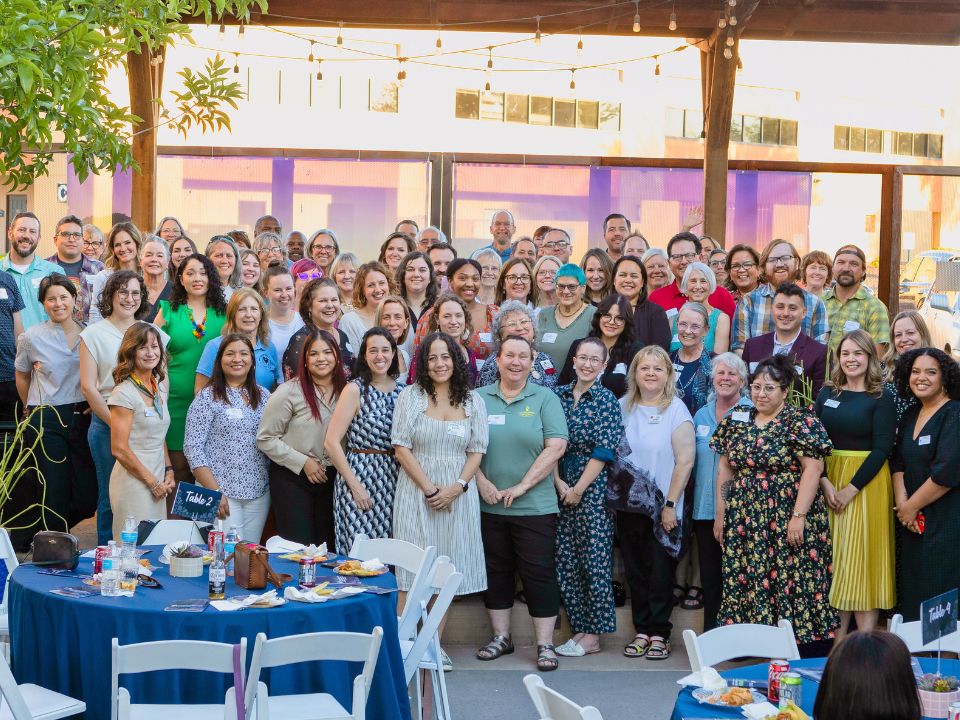

Reassessing Federal Funding Cuts and Their Impact on Southern Arizona’s Nonprofit Community
The proposed GOP spending measure has set off alarm bells across Southern Arizona, where nonprofit organizations form the backbone of social support. These federal budget cuts have raised concerns about the survival of essential programs for housing, healthcare, education, and more. The debate over the “Big Beautiful Bill” rages on, with questions surrounding its potential to tear at the fabric of community support systems that local nonprofits have long delivered.
Critics argue that by reducing federal funding, this legislation threatens a safety net that many depend upon. This opinion editorial takes a deeper look at the issues, examining the tricky parts of the funding cuts, the tangled issues they could create, and the confusing bits of policy that make this such an intimidating challenge for those serving vulnerable communities in Southern Arizona.
Nonprofits as the Backbone of the Community
Nonprofit organizations have always served as a key pillar for community support, especially in regions with high socio-economic challenges. For many residents, these organizations fill gaps in critical services such as childcare, healthcare, food assistance, housing support, and programs for seniors or individuals with disabilities. Whether it’s providing direct care or funneling resources into preventative services, nonprofits have long been seen as must-have lifelines for people in need.
Local leaders emphasize that when federal funding is cut, the ripple effects extend far beyond the immediate financial losses. These groups, formed on decades of trusted service, stand to lose their operational capacity, leaving the lives of countless neighbors, friends, and families hanging in the balance.
Essential Services Provided by Nonprofits
The role that nonprofits play in Southern Arizona can be broken down into several critical areas. Mixed in with confusing bits of state and federal policies, these organizations have managed to fill in the gaps that government programs sometimes overlook. Here are some of the key areas affected by any potential funding reductions:
- Childcare and Early Education: With rising childcare costs, nonprofits offer programs that support both children’s development and working families.
- Healthcare and HIV/AIDS Prevention Care: Organizations are at the forefront of providing essential medical care, medication support, and prevention programs, particularly in the realm of HIV/AIDS where previous cuts have already shown severe impacts.
- Housing and Food Assistance: Programs targeting SNAP and housing aid are critical in keeping families stable during economic downturns.
- Support for Older Adults and People with Disabilities: Nonprofits provide home care, mental health services, and other long-term supports to ensure dignity and well-being for the most vulnerable.
It is clear that the nonprofit sector is not simply an optional luxury—it is the glue that holds communities together. With funding cuts on the horizon, the essential infrastructure provided by these organizations is at serious risk.
Understanding the Proposed Spending Measure and Its Implications
The spending measure, supported by certain GOP policymakers, is designed with the intent of boosting wages and reducing the national deficit. However, the Congressional Budget Office’s (CBO) projection estimates that this reconciliation version of the bill could increase the national debt by as much as $2.8 trillion. The intricate mix of budget reallocations means that the dollar shortfalls come at a very high cost to social service programs.
The bill would not only affect nonprofits but could also swing the lives of millions of people in Southern Arizona. With potential cuts to SNAP, Medicaid, and other federal programs, the priceless support that has long been available to families and vulnerable individuals might soon be a thing of the past. Each dollar withdrawn could be seen as an elimination of key services that keep our communities healthy and stable.
Impact on Federal Programs in Southern Arizona
The impact of federal funding cuts is multidimensional. On one level, these changes can mean immediate job losses, as was seen in the aftermath of earlier cuts that already forced some organizations to lay off staff and reduce budgets. On another, the long-term effects on community welfare could be severe. Consider the following outcomes of the proposed measures:
- Medicaid Cuts: The backbone of health care for low-income individuals, Medicaid is sure to feel these cutbacks. With estimates suggesting that in Arizona, around 360,000 people could lose health insurance coverage, the ripple effects in access to essential care would be profound.
- SNAP Reductions: For many families, the Supplemental Nutrition Assistance Program is critical for managing daily meals. Projections indicate that up to 191,000 people in the state might lose access to this pivotal program, destabilizing entire households.
- HIV/AIDS Funding: Specific programs related to HIV/AIDS prevention and care have already experienced cuts, leading to reduced capacities that have forced organizations to scale back on critical services.
These proposed changes are, without a doubt, nerve-racking for community leaders and service providers alike. The long, challenging road ahead is laden with potential setbacks, and each cut might mean that struggling individuals face even greater challenges in maintaining their health and stability.
Quantifying the Impact: A Closer Look at the Numbers
| Program/Service | Estimated Impact | Potential Consequences |
|---|---|---|
| Medicaid | 91,000 people in Southern Arizona’s two congressional districts lose coverage | Loss of prescriptions, home care, and critical medical services |
| SNAP | 57,000 people in Southern Arizona lose food assistance | Increased food insecurity and hunger among low-income families |
| Ryan White HIV/AIDS Program | $1.5 million cut effective immediately; additional freezes of nearly $619,000 | Reduction in HIV testing, prevention, and care, risking public health setbacks |
This table illustrates the fine points of the challenge: every funding cut corresponds to tangible disruptions that, cumulatively, could overwhelm the capacity of local nonprofits. If nothing changes, these numbers could serve as a grim indicator of what a future with drastically reduced federal support might look like.
Challenges Facing Social Services Amid Federal Budget Cuts
Federal budget cuts bring with them a host of tricky parts that affect not just service providers but also the very fabric of community life. Social service organizations have long depended on a mix of government funding, private donations, and grant support. With proposed cuts, they face the prospect of scaling back or shutting down programs that have been a lifeline for many.
These changes are not abstract figures on a balance sheet. They translate directly into tangible impacts for low-income families and individuals who rely on these services to navigate the overwhelming twists and turns of daily life. For instance, organizations like Jewish Family and Children’s Services and Casa de Los Niños are bracing for cuts that may compromise their ability to support older adults, provide childcare, and run after-school programs—services which are both super important and intimately tied to community stability.
Direct Outcomes for Affected Communities
When funding cuts hit, the effects are both immediate and long lasting. Community leaders have reported that organizations have already begun feeling the pressure, with some losing funds entirely and being forced to terminate critical programs. Below is a list summarizing key effects:
- Reduced Program Availability: Childcare, HIV/AIDS prevention, and nutrition services could be scaled back, impacting thousands.
- Job Losses: Staff layoffs and furloughs due to abrupt reductions in available funds.
- Worsening Public Health: Fewer resources for health and drug treatment programs risk increasing emergency room visits and overburdening local hospitals.
- Economic Impact: Reduced support for families leads to overwhelming financial pressure, which in turn can cause deeper economic distress within the region.
Each of the bullet points illustrates a layer of complication that, when combined, creates a dense web of challenges. Nonprofits are caught in a knot, forced to make tough decisions that often pit one essential service against another.
Human Impact: Stories from the Front Lines
While statistics and projections matter, the true heart of this issue lies in the everyday experiences of individuals who rely on nonprofit support. From a single parent struggling to make ends meet without food assistance to elderly residents facing pressure from reduced Medicaid services, the human stories are both heartbreaking and motivational.
One community leader compared the cascading effects of these funding cuts to a series of hits that keep coming—each one compounding on the previous, leaving individuals with no way to recover. When these cutbacks affect mental health services, drug treatment programs, or affordable childcare, the outcomes are not just numbers in a report but actual declines in the quality of life for those dependent on them.
Individual Testimonies and Expected Outcomes
Community voices have started to emerge from within organizations such as CODAC Health and the Southern Arizona AIDS Foundation. They describe the following challenges:
- Job Insecurity: “At a time when every dollar counts, losing funding means that even basic support is at risk,” explained a director at one local nonprofit.
- Increased Health Risks: Several healthcare providers fear that substance abuse and untreated mental health issues will result in increased hospital visits and strains on emergency services.
- Community Instability: With a reduction in programs that help keep children in school and families adequately fed, there is a real risk of long-term economic decline and increased poverty.
These individual stories underline the fact that the proposed spending cuts are not just about rebalancing fiscal equations—they directly affect real people living in increasingly challenging environments.
Policy Shifts and the Future Outlook
Political debates surrounding the GOP’s spending bill are layered with mixed messages. On one hand, supporters claim the measure will streamline government functions, reduce deficits, and potentially increase wages. On the other hand, critics warn that these benefits come at too steep a price by undermining the key support systems in place for our most vulnerable community members.
The White House itself has defended the proposed changes, arguing that they pave the way for a leaner government and lower federal debt. However, if one examines the fine points of the legislation, its hidden complexities, and the possible unintended consequences, it becomes clear that such benefits might be offset by severe social costs.
Breaking Down the Legislative Trade-Offs
The bill is riddled with tension between fiscal conservatism and the ethical responsibility to support low-income communities. Some of the trade-offs include:
- Increased National Debt: Although designed to lower deficits, the CBO’s projection of an additional $2.8 trillion in debt casts doubts on the true fiscal responsibility of the measure.
- Health Insurance Volatility: Loss of insurance for millions underscores the immediate human cost of policy changes—where a mere change in a line of budget text could mean life-altering consequences for individuals.
- Impact on Clean Energy Initiatives: Reduced clean energy tax credits threaten job stability and environmental progress, adding another layer to the confusing bits of the policy’s overall goal.
This intersection of fiscal policy and social welfare is not an off-putting topic for those with firsthand experience in the nonprofit sector, and it underscores the need for a broader community conversation on how best to protect these vital programs.
Charting a Course Through Budget Uncertainty
Given the many twists and turns of the current legislative landscape, it’s essential to get into the nitty-gritty of how these changes could unfold locally. The nonprofit community in Southern Arizona is urging lawmakers to recognize that cuts to programs like Medicaid and SNAP will have more than a numerical impact—they translate directly into diminished lives and shattered community stability.
How do local organizations plan to make their way through these rough waters? Several strategies have been proposed:
- Diversifying Funding Sources: Nonprofits are actively exploring alternative funding models, including partnerships with private donors, community fundraising events, and collaborative grant proposals.
- Advocacy and Public Engagement: Community leaders are rallying citizens to take a closer look at these issues by participating in town halls, contacting congressional representatives, and building awareness through local media.
- Fostering Policy Dialogue: By engaging in open discussions with policymakers, nonprofits hope to highlight the indispensable role they play in maintaining community stability and urge policy adjustments that safeguard critical funding.
Even as the path forward appears loaded with problems, these efforts provide a glimmer of hope. It is through persistent dialogue and community engagement that citizens might steer through this challenging period and ensure that necessary services are not sacrificed on the altar of fiscal austerity.
Community Mobilization: A Call to Action
While debates continue at the national level, the real work happens close to home. Local leaders and nonprofit directors are not just waiting for change—they are actively advocating for policies that can ensure sustainable funding for essential services.
There is a growing chorus of voices urging the community to consider the following principles:
- Recognition of Nonprofits as Public Infrastructure: These organizations are more than charity providers; they are fundamental to building resilient, healthy, and thriving communities.
- Advocacy for Equitable Funding: Local citizens must push for policies that ensure stable funding streams for programs that support low-income families, children, and older adults.
- Active Participation in Policy Discussions: Through engagement with local government and media, community members can help shape a future in which efficient fiscal management does not come at the expense of vulnerable populations.
More than ever, it is essential to find your way through the tangled issues of federal budgeting by participating in a robust public discourse and working towards long-term, sustainable solutions. The challenge is intimidating, but the potential payoff—sustaining programs that make lives better—is truly super important.
Learning from Past and Present: Comparing Policy Shifts
Recent history has shown that funding cuts to social services can lead to a cascade of negative outcomes. For example, previous reductions in HIV/AIDS funding under the Trump administration forced organizations like the Southern Arizona AIDS Foundation to make immediate and drastic cuts, leading to job losses and reduced service capacities. Similarly, future cuts to Medicaid and SNAP promise to bring about comparable challenges that will test both the resilience and resourcefulness of local nonprofits.
Looking back at these efforts allows us to take a closer look at the little details of how policy changes can create lasting impacts. By comparing previous funding shortfalls with the current proposals, community leaders underline the necessity of learning from past mistakes. A failure to address these issues now might only set the stage for more nerve-racking economic challenges down the road.
Past Experiences and Lessons Learned
Several key lessons have emerged from the previous iterations of federal budget cuts:
- Swift Service Decline: As funds dried up, programs that had once been robust faltered quickly, leaving vulnerable populations without immediate support.
- Community Spillover Effects: Reduced funding in one service area frequently resulted in increased strain on other sectors, such as local healthcare systems and educational institutions.
- Long-Term Consequences: The recovery period after significant funding cuts was often prolonged, affecting community stability for years afterward.
Today’s debate echoes these past experiences. With projected cuts to Medicaid, SNAP, and other critical funding streams, the stakes are higher than ever. The lessons from previous cuts serve as a potent reminder that every dollar withdrawn from these programs is a risk taken with people’s lives.
A Broader Perspective on the Federal Budget Debate
The current political climate has made the budget debate more divisive. On one side, there is a push for reducing the national deficit and streamlining government operations; on the other side, there is a fierce discussion about the moral responsibility of ensuring that the most at-risk members of society have access to essential services. The delicate balance between fiscal austerity and social welfare is one of the most confusing bits of modern American policy debates.
Supporters of the spending measure highlight potential benefits such as boosting wages and establishing fiscal discipline. However, when closely examined, these advantages may be overshadowed by the long-term costs of disrupting established, critical support networks—networks that many have come to view as fundamental pillars of community welfare.
A Comparative Look at Fiscal Responsibility and Social Welfare
When making your way through the arguments, consider this comparative analysis:
| Aspect | Proponents’ Argument | Opponents’ Concern |
|---|---|---|
| National Debt | Aiming to reduce overall deficits and promote fiscal discipline. | The CBO estimates an increase of $2.8 trillion, adding pressure on future generations. |
| Employment | Potential for boosting wages in the broader economy as markets adjust. | Immediate job losses within nonprofits and related sectors could devastate local communities. |
| Public Health | Streamlined funding may lead to more efficient government operations. | Cuts to Medicaid and HIV/AIDS prevention threaten to overwhelm community health resources. |
| Social Stability | Fiscal reforms could eventually lead to a more balanced economy. | Immediate impacts on SNAP and childcare programs risk destabilizing families. |
This table outlines the fine shades of difference between the competing views on the spending bill. It is clear that while fiscal conservatism has its merits, it must be weighed against the immediate needs of the communities that depend on consistent government and nonprofit support.
Community Resilience and the Road Ahead
Faced with the risk of significant funding cuts, community resilience becomes super important. Local nonprofits and social service agencies are not standing idly by; they are mobilizing, planning, and striving to cushion the blow of any federal funding reductions. Every community member—whether a local business owner, a resident, or a policymaker—has a role to play in ensuring that Southern Arizona remains a stable, supportive environment.
The current policy shift demands that we take a closer look at our community priorities, reassessing which programs are critical and how best to ensure their durability in the face of shifting fiscal landscapes. It is a moment for collective action—one that calls on both elected officials and everyday citizens to join forces in preserving the social safety nets upon which so many rely.
Practical Strategies to Bolster Community Support
Here are several strategies that can help manage your way through these funding challenges:
- Collaborative Advocacy: Form community coalitions that include local nonprofits, business leaders, and affected citizens. By speaking with a united voice, these groups can effectively push for sustained federal support.
- Exploring Alternative Funding: Seek partnerships with private foundations, local businesses, and philanthropic organizations that may help fill funding gaps left by federal cuts.
- Community Awareness: Organize public forums, social media campaigns, and town hall meetings that clearly outline how funding cuts will impact everyday lives. Educating the public is a must-have step in driving policy changes.
- Grassroots Engagement: Encourage community members to contact their representatives, highlighting personal stories and the detrimental effects of reduced funding on local services.
These strategies not only provide a roadmap for surviving budget cuts but also serve as a catalyst for long-term policy changes. It’s about ensuring that every person has an equal chance to access crucial services like healthcare, education, and housing support.
Looking Beyond the Numbers: The Moral Imperative
At its core, the debate over federal funding cuts is not merely an accounting exercise—it’s a moral discussion about the kind of society we want to build. The ongoing reductions in funding, if left unchecked, risk leaving behind those who need help the most. It’s an off-putting prospect to think that policy decisions made in distant corridors of power can so directly undermine the well-being of families, seniors, and children in our communities.
This moral dimension cannot be ignored. Community leaders and advocates insist that the real measure of any fiscal policy should not just be its impact on the national debt or on GDP, but its effect on human lives. When services like Medicaid, SNAP, and HIV/AIDS programs are diminished, vulnerable individuals face a spiral of consequences, from worsening health to economic instability.
Evaluating the Ethical Trade-Offs
Consider the following ethical questions as you figure a path through this contentious issue:
- What is the true cost of reducing essential social services?
- Are fiscal savings worth the potential increase in community suffering?
- How might current policy decisions shape the future of low-income communities?
- What responsibilities do elected officials have in protecting those who are most vulnerable?
These questions are hardly simple, but they demand answers rooted in both empathy and strategic fiscal planning. By weighing the human cost against potential economic benefits, policymakers and citizens alike can take a closer look at the hidden complexities behind every budget cut.
Emphasizing a Balanced Approach to Fiscal Policy
The current GOP-backed spending bill sits at the intersection of ambition and caution. While its supporters maintain that the measure will ultimately lead to a leaner government and improved economic outcomes, its detractors insist that the cuts will create a heavy burden on local nonprofits and the individuals who depend on them. Striking a balanced approach that considers both the economic and social ramifications is essential.
An effective fiscal policy should aim to resolve the tangled issues of budget management without sacrificing the social safety net. In Southern Arizona, that means ensuring that community programs remain funded and that individuals are not left to navigate an increasingly intimidating landscape on their own.
Strategies for Creating a Balanced Fiscal Policy
Imagine a fiscal policy that successfully balances the need for economic stability with robust community support—a policy that meets both the tricky parts of budgetary reform and the essential human needs across the region. Such an approach might involve:
- Incremental Adjustments: Rather than sweeping cuts, gradual adjustments could allow nonprofit organizations time to adapt and secure alternative funding sources.
- Inclusive Policy Dialogues: Engage a wide range of stakeholders, including community leaders, local officials, nonprofits, and affected residents, in the development of new policies.
- Protecting Core Services: Ensure that any reforms prioritize maintaining or even bolstering programs that provide healthcare, food assistance, and housing support.
- Innovation in Fundraising: Encourage creative solutions that blend public funds with private initiatives, ensuring a more comprehensive safety net for the community.
By considering these strategies, policymakers can better work through the myriad challenges presented by federal budget cuts, ensuring that the end result is one that strengthens rather than weakens community resilience.
Conclusion: A Call for Thoughtful Policy and Community Unity
Ultimately, the debate over the GOP’s spending cuts is about more than political ideology—it’s about the future of communities in Southern Arizona. The proposed funding reductions carry with them the risk of not only financial strain but also a profound disruption of essential social services that have long been a lifeline for the region’s most vulnerable residents.
Community leaders have warned that these changes could tear at the very fabric that holds neighborhoods together, undermining vital programs in childcare, healthcare, housing, and support for older adults. As nonprofit organizations brace for the impact, it is up to citizens, local businesses, and policymakers to collaborate on sustainable funding solutions.
This is a time for careful reflection on the delicate balance between fiscal responsibility and the moral imperative to care for one another. While the proposed spending bill aims to rein in deficits and reshape government operations, its hidden complexities and long-term consequences suggest that the cost of such measures might be far too high for vulnerable communities.
As you take a closer look at the fine points of these policy shifts, remember that every cut translates into a potential loss in community stability and human well-being. The detailed analysis underscores that it is not merely an accounting matter but a question of how we, as a society, value our children, our elders, and every individual in between.
Now is the time to rally behind our local nonprofits, to advocate for balanced approaches that protect critical services, and to ensure that the community’s resilience is not sacrificed in the pursuit of fiscal reform. It is a challenging journey, full of twist and turns, yet one that we must work through together.
Your voice matters. Join the discussion, support your local organizations, and urge your elected representatives to prioritize not only economic stability but also the human elements that bind us as a community. In doing so, we pave the way to a future where social safety nets remain robust and every citizen has the support they need to thrive.
As we look forward, let us not be intimidated by the daunting challenges ahead, but instead, mobilize with determination and collective resolve. The road may be off-putting at times, and the path loaded with problems—but through community unity and informed advocacy, we can secure a safer, healthier, and more inclusive future for Southern Arizona.
It is time to find your way, manage your path, and steer through the maze of policy debates with both compassion and analytical rigor. By balancing fiscal caution with social responsibility, we can transform potential setbacks into an opportunity for progressive change—a change where every family, every individual, and every community has the chance to flourish.
In conclusion, while the proposed funding cuts stand to disrupt the essential services provided by our local nonprofits, they also offer an opportunity: to re-evaluate our priorities, engage in a thoughtful policy dialogue, and commit to safeguarding the support networks that truly embody the spirit of community. Let this be a rallying call for every citizen of Southern Arizona—a call to support, engage, and advocate for a future that values both economic prudence and the well-being of all its people.
Originally Post From https://www.tucsonsentinel.com/local/report/062525_community_foundation_cuts/nonprofit-leaders-gops-funding-cuts-would-tear-fabric-charity-efforts-southern-arizona/
Read more about this topic at
Government Funding Cuts Put Nonprofits at Risk across …
Cuts to federal grants affecting even non-profits that don’t …