
Balancing Officer Anonymity and Public Trust in a Digital Age
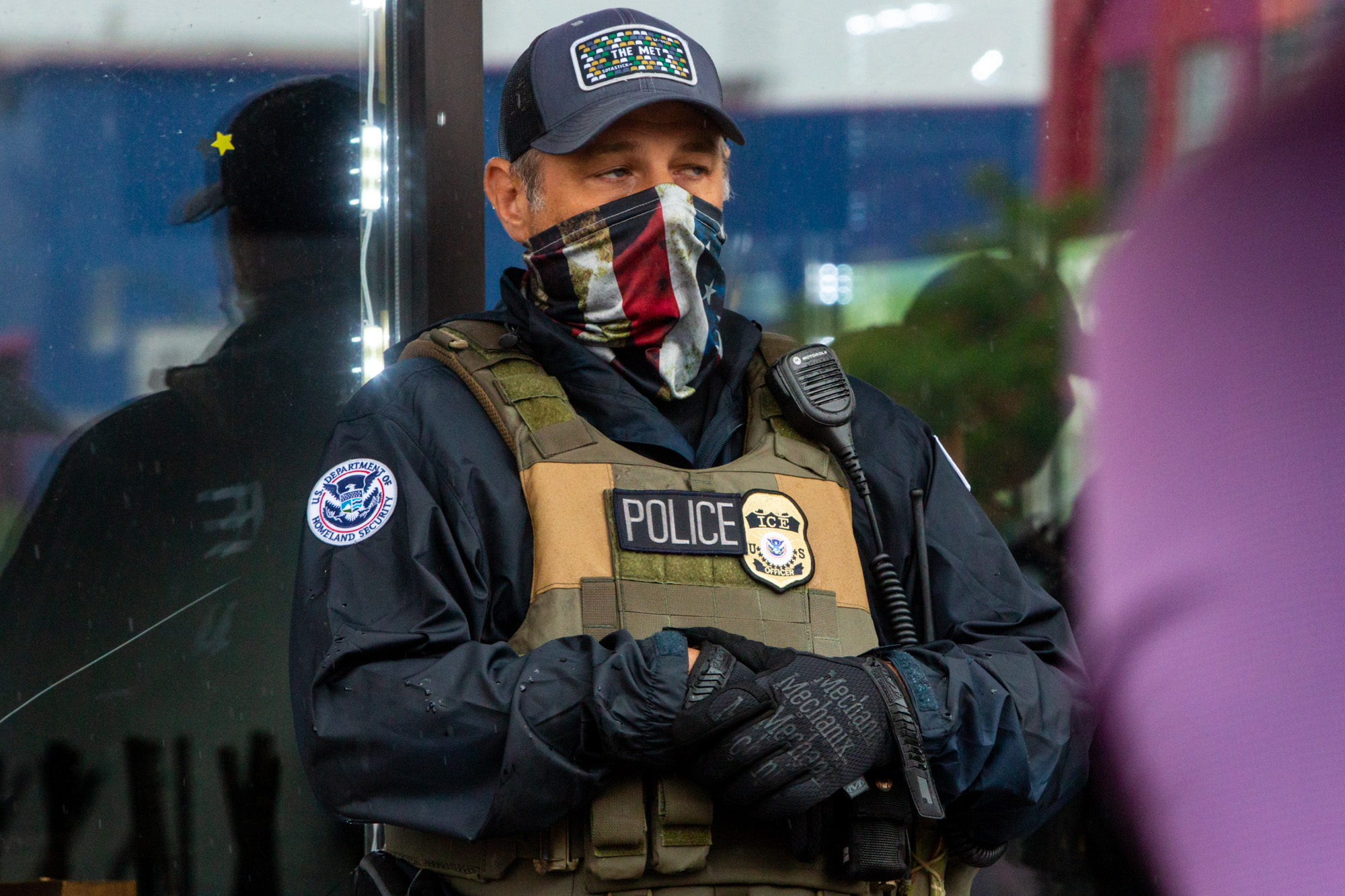
The modern era has brought with it a perplexing intersection between technology, privacy, and law enforcement. In recent years, the issue of doxxing—revealing personal information online to harm individuals—has forced government agencies and elected officials to take measures to protect themselves while maintaining public trust. This opinion editorial takes a closer look at the practice of ICE agents opting to wear face masks during operations, the legal steps taken by states like Arizona to counterdo this modern threat, and the broader implications for democratic oversight and community safety.
Many public officials are embracing measures that allow them to redact sensitive personal information before it becomes accessible to the general public. In Arizona, legislation passed in 2023 now permits statewide officeholders, lawmakers, and election officials to conceal their names and addresses on public records. This proactive move aligns with similar practices long adopted by police officers and judges, driven by the need to fend off public misuse of data. Yet, when the same level of scrutiny is applied to ICE agents, questions emerge regarding officer accountability, transparency, and maintaining the trust of the communities they serve.
Understanding the Rise of Doxxing as a Modern Threat
Doxxing has evolved from simply being the sharing of documents to a more complicated practice involving the detailed research and public dissemination of personal details obtained from various online sources. With technological advancements and the widespread use of the Internet, doxxing has become a potent tool for those wishing to intimidate or target public figures. The collection of information might include home addresses, phone numbers, and even details of family life, thus endangering individuals who already hold public roles.
Several recent violent incidents have heightened concerns about doxxing. High-profile cases, such as the shooting of former legislators in Minnesota, have underscored the extreme risks that public figures face when their personal information falls into the wrong hands. Investigators discovered that data broker sites—online platforms that sell personal information—played a crucial role in providing vital details that led to such tragedies. These shocking events have compelled legislators across states, from Arizona to Massachusetts, to push for more robust protections.
How Data Brokers Contribute to the Problem
Data brokers serve as intermediaries who collect and disseminate personal information from public records and online postings. The practice allows a single person’s complete digital profile to be assembled by piecing together details from various sources. Oftentimes, sensitive personal data is then marketed to individuals who intend to use the information for malicious purposes. In many cases, this information finds its way to individuals who then target public officials, law enforcement officers, and government employees.
The key challenge for policymakers is to regulate the collection and dissemination of such data without imperiling the public’s right to well-informed civic engagement. Balancing personal privacy with transparency in government is indeed one of the trickier parts of modern governance.
State-Led Initiatives to Protect Personal Information
States like Arizona are at the forefront of efforts to combat the dangers of doxxing. In 2023, Governor Katie Hobbs signed Senate Bill 1061, enabling public officials, lawmakers, and election officers to withhold their personal addresses and other sensitive information from public records—similar to rules that already applied to police officers and judges. This legislative initiative marks a significant step toward enhanced safety for those in the public eye and creates a template for other states to follow.
Comparing Initiatives: Arizona and Massachusetts
Arizona’s approach to protecting personal data from online misuse can be compared to steps taken in other states. For example, Massachusetts has considered measures to remove home addresses from election ballots. These moves came alongside similar efforts spurred by violent incidents, such as the tragic shootings in Minnesota. In Massachusetts, lawmakers are particularly cautious because previous doxxing incidents had involved high-profile figures like U.S. Senator Elizabeth Warren and U.S. Representative Lori Trahan, who were targeted with false bomb threats based on their publicly available addresses.
The table below summarizes some of the key features of the state-level initiatives:
| State | Legislative Measure | Affected Public Officials | Context/Inciting Event |
|---|---|---|---|
| Arizona | Senate Bill 1061 (2023) | Statewide officeholders, lawmakers, election officials | General rise in doxxing incidents |
| Massachusetts | Proposals to remove addresses from ballots | Candidates and public officials | Prior violent targeting incidents |
Both examples showcase the shared challenges that states face in protecting public officials from the intimidating, and sometimes overwhelming, online environment where personal data is readily available to bad actors.
ICE Agents and the Use of Face Masks: A Controversial Measure
The debate surrounding ICE agents wearing masks during operations delves into a host of important issues. While the practice is intended to prevent the online exposure of sensitive details, many believe that the use of masks undermines an essential component of accountability and openness. The argument made by some top government officials emphasizes that as public servants under sworn authority, ICE agents should be as visible and identifiable as any other law enforcement officer.
The Dual-Edged Sword of Operational Security
On one hand, by wearing face masks, ICE agents aim to protect themselves and their families from potential harm—a reaction to the very real threat of doxxing. For some officers, covering their faces is seen as a necessary precaution against a digital landscape that has become riddled with tension and replete with personal attacks. The protection of identity in hostile situations is a common tactic throughout law enforcement globally, especially in regions where personal security is continuously threatened by criminal organizations.
However, the practice has its critics. Public figures such as Boston Mayor Michelle Wu and Los Angeles Mayor Karen Bass have pointedly criticized the use of masks by ICE agents during operations. They argue that conducting law enforcement actions under the veil of anonymity can inadvertently evoke images of secretive or intimidating police tactics. This, in turn, might erode the trust between law enforcement agencies and the communities they are meant to protect.
Community Perceptions and the Importance of Transparency
Critics contend that a visible and identifiable uniform is a cornerstone of community policing. When officers become unrecognizable, public accountability suffers. A face mask, while lending an element of security, might also send the wrong message, implying that the officer has something to hide or is standing apart from those they protect. This perception could lead to a fractured sense of trust—a critical issue in environments that are already full of problems when it comes to community relationships and effective law enforcement.
Los Angeles Mayor Karen Bass summarized the prevailing sentiment by questioning, “Why are they masked?” Her rhetoric resonates with many citizens who believe that any measure that could potentially alienate community members is ill-advised, particularly in settings where transparency and trust should be essential, super important traits for those upholding the law.
Evaluating the Arguments: Essential Security vs. Public Accountability
The arguments in favor of ICE agents wearing masks underscore the necessity of protecting those who enforce the law from targeted harassment. Acting ICE Director Todd Lyons has been quoted explaining that measures such as mask-wearing are implemented to shield officers and their families from the practice of online doxxing, especially in an era when digital data is rapidly weaponized against public officials.
In a field where every decision involves tricky parts and overwhelming risks, Lyons argues that protecting an officer’s identity ensures that he or she can perform their duties without additional stress. In this light, the use of masks is comparable to other protocols in high-risk environments, such as in Mexico or parts of eastern Europe, where law enforcement has historically had to employ similar tactics due to the severe dangers posed by criminal syndicates.
Drawing Comparisons: Domestic and International Perspectives
When we draw parallels between ICE practices and those of international law enforcement, the differences become stark. In countries like Mexico, police officers commonly wear masks—not just as a security measure but as a necessary adaptation to a violent environment dominated by drugs and organized crime. For instance, law enforcement in such high-risk areas might be forced to cover their faces routinely as a direct response to the pervasive threat posed by well-connected criminal networks.
But in a country like the United States, which prides itself on transparent law enforcement practices, such measures can be seen as excessive. The broader public expects uniformed officers to be fully identifiable, thereby reinforcing the accountability that is fundamental to democratic institutions. In many communities, visible law enforcement symbolizes a direct link between the public and the individuals sworn to protect them. Thus, adopting a measure that could potentially blur this line invites a host of new, confusing bits that policymakers are still grappling with.
Implications for Policy and Future Legislation
The debate over ICE agents wearing masks is merely a microcosm of the larger, ongoing discussion about privacy, security, and transparency in government operations. As technology continues to expand and doxxing becomes increasingly common, lawmakers are faced with the daunting task of creating policies that protect public officials without compromising their duty to remain open and accountable to the people.
In addition to state-led initiatives, there is a national conversation to be had about how best to balance these competing priorities. With advancements in technology making it easier for malicious actors to obtain and disseminate personal data, it becomes imperative to consider comprehensive solutions that address both the protection of law enforcement officers and the preservation of public trust.
Key Considerations for Future Policy
- Ensuring that any protective measures do not shield officers from the accountability that comes with their public roles.
- Developing clear guidelines on when and how protective gear (such as face masks) should be used during operations.
- Strengthening cybersecurity measures and regulating data broker activities to reduce the risk of personal information being weaponized.
- Engaging community stakeholders to ensure that any new policies reflect the values and expectations of the public.
- Maintaining transparency through regular, open dialogues between law enforcement agencies and the communities they serve.
Such critical steps can help in finding your path through the tricky parts of law enforcement and digital privacy. It is a balancing act that requires weighing the security of officers against the imperative need for transparency and accountability in public service.
Community Impact: Building Resilient and Trustworthy Partnerships
The relationship between law enforcement and the communities they serve has always been delicate. Recent developments in public safety measures—such as the masking practices adopted by some ICE agents—have the potential to either strengthen or further strain this bond. With the digital age adding layers to this conversation, both sides are forced to contend with the ever-increasing use of technology in both protective measures and in attacks against personal security.
For community leaders and local officials, the primary goal should be to foster a sense of safety and mutual respect. Public trust is built on transparency and personal accountability. Therefore, while protective measures may be necessary in the modern context, there remains a super important need for visible, accountable law enforcement that is open and accessible to the public.
Strategies for Enhancing Community Trust
To ensure that the protective measures adopted by law enforcement do not alienate the community, several practical strategies can be implemented:
- Regular Community Meetings: Holding town halls and public forums where law enforcement explains the reasons behind their operational decisions, including the use of face masks, can create a platform for mutual understanding.
- Enhanced Body-Worn Camera Programs: Cameras can help document encounters and provide an additional layer of transparency during operations where standard identification may be compromised.
- Clear Communication Protocols: Law enforcement agencies should develop and disseminate clear guidelines on when protective measures, like masking, are warranted, ensuring that such actions are never perceived as a way to obscure misconduct.
- Collaborative Oversight Committees: Joint committees involving both community leaders and law enforcement can work on oversight, helping to bridge the gap between protecting officer privacy and maintaining accountability.
By implementing such initiatives, communities can move towards a more trusting and secure future. When visible and open accountability is paired with necessary protective measures, the overall aim is to create an environment where both law enforcement and citizens feel safe in a digital age riddled with unexpected threats.
The Broader Picture: Comparing Law Enforcement Practices Across Contexts
In looking at law enforcement practices both within the United States and abroad, one can see a contrast in how officers are expected to balance security and transparency. In many parts of the world, the priority often leans heavily toward personal security because of constant, intimidating threats from criminal syndicates. In these contexts, wearing masks or additional protective gear may be the norm rather than the exception. However, in democratic societies where governmental transparency and accountability are held in high regard, any such measure raises red flags regarding potential erosion of public trust.
For instance, when law enforcement officers in Mexico or Italy wear masks routinely due to the influence of criminal organizations, the rationale is clear and widely understood by the public in those regions. In contrast, when officers in the United States choose to mask their identities—especially in operations conducted under the auspices of a federal agency like ICE—the message can be misinterpreted. Even if the intention is solely to protect personal data, the visual cues associated with masking carry subtle details that can be construed as secretive behavior, ultimately undermining community confidence in the process.
International Comparisons: Learning from Global Law Enforcement
Examining similar practices abroad offers valuable insights into the challenges and benefits of protective measures. In countries where the risk of retribution from criminal organizations is high, law enforcement agencies have adapted by standardizing the use of protective gear, including masks. Yet, this adaptation has come at a cost: it has necessitated a cultural shift in how law enforcement is perceived by the public. Citizens have grown to accept these measures as a norm, understanding that in regions with high crime rates, the stakes are undeniably different.
For the United States, the prospect of adopting similar standards could risk transforming the image of domestic law enforcement from being viewed as transparent public servants into appearing as a secretive, almost militaristic force. This perception could erode the fundamental trust that exists between citizens and those who are meant to protect them, a consequence that is far too risky in a society priding itself on open government and personal freedoms.
Future Paths: Striking a Balance Between Security and Openness
As technology continues to advance and the digital landscape becomes increasingly tangled with both benefits and risks, policymakers and community leaders are called upon to figure a path that ensures the safety of public officials without compromising transparency. The debate around the use of face masks by ICE agents is reflective of broader issues that affect law enforcement nationwide, making it imperative to take a closer look at where the balance should lie.
A balanced approach involves recognizing the super important need for protective measures in dangerous situations while also upholding the key principle of accountability in public service. ICE agents, like all law enforcement officers, have chosen a career that is not without its intimidating and risky moments. With that choice comes the natural expectation that they might face unpredictable and nerve-racking challenges. However, opting to hide behind a mask during arrests or operations creates an image that may be at odds with the values of openness and accountability. It is a delicate trade-off that lawmakers and law enforcement agencies must carefully consider.
Key Recommendations for Policymakers
To move forward effectively, the following recommendations may prove helpful in sorting out the tricky parts of this debate:
- Develop a Clear Framework: Establish guidelines that define when the use of face masks is warranted, ensuring that any decision is based on clear, objective criteria rather than discretion alone.
- Enhance Data Protection Laws: Continue strengthening laws to shut down easily accessible personal data on public officials, thereby reducing the impetus for officers to resort to masking as a protective measure.
- Foster Transparency: Balance protective measures with increased use of accountability tools—such as body cameras or public reports of operations—to reassure the community of the integrity of law enforcement practices.
- Increase Training: Offer specialized training for officers on risk management in the digital age, ensuring that they are both safe and sensitive to how their actions are perceived by the public.
- Engage Stakeholders: Include community members in the conversation around law enforcement practices to ensure that policy adjustments reflect the community’s needs and values.
Adopting such recommendations may provide the necessary blueprint for modern law enforcement agencies to move forward confidently. In doing so, they can continue to protect themselves from online threats while remaining accessible and open to the communities they serve.
Concluding Thoughts: The Path Ahead for Law Enforcement in a Digital World
The world of law enforcement is facing a new frontier—one where digital threats extend into the very personal realm of an officer’s life. The necessity to guard against doxxing is undeniable, especially as technology evolves and the online arena becomes rife with potential dangers. However, the measures taken to avert these threats must not come at the expense of the core principles of transparency and accountability that underpin democratic society.
ICE agents, like all law enforcement officials, assume a position of public trust that comes with the responsibility of standing openly before the community. While protecting one’s identity in an environment full of confusing bits and intimidating challenges is understandable, it is equally critical to ensure that such protection does not transform into a shield that simultaneously obscures accountability. Maintaining a balance between personal safety and public trust is one of the most super important challenges of our modern era.
In reflecting on the myriad measures taken by states like Arizona and Massachusetts, it becomes evident that the key lies in proactive policy development. Legislatures must continue to figure a path that shields public officials from the increasingly nerve-racking threat of digital harassment while ensuring that the spirit of openness in government is maintained. Law enforcement agencies are tasked with the dual responsibility of protecting both themselves and the citizens they serve—a challenge that is both full of problems and riddled with tension.
Ultimately, the decision to don a face mask should be one weighed with great care. It is a step that might provide temporary security but risks sending a signal that public servants have something to hide. For democracy to thrive, law enforcement officers must consistently demonstrate that they are as accountable to the public as any elected official. Only then can the delicate balance between the need for security and the pledge of transparency be achieved.
As we forge ahead in a digital era marked by rapid change, let us remember that every policy decision and tactical adjustment should be utilized to build trust, transparency, and safety within our communities. Ensuring that public officials are empowered to protect themselves—and that they remain answerable to the people—is not an either/or proposition; it is a challenge that requires careful, thoughtful navigation through the tangled issues of modern law enforcement.
In conclusion, while the protective measures that keep our officers safe from the overwhelming digital threats are understandable, they must always be balanced with an equally super important commitment to maintaining public transparency. By addressing both sides of this issue—security measures for the officer and open accountability for the public—policymakers can help ensure that trust, safety, and freedom continue to define our society.
Originally Post From https://www.azcentral.com/story/opinion/op-ed/philboas/2025/07/21/masked-ice-agents-doxxing-arizona-law/85308351007/
Read more about this topic at
Masked, unidentified officers undermine public trust …
Critics say masks undermine trust in law enforcement – X