Introduction: Drone Surveillance in U.S. Border Security
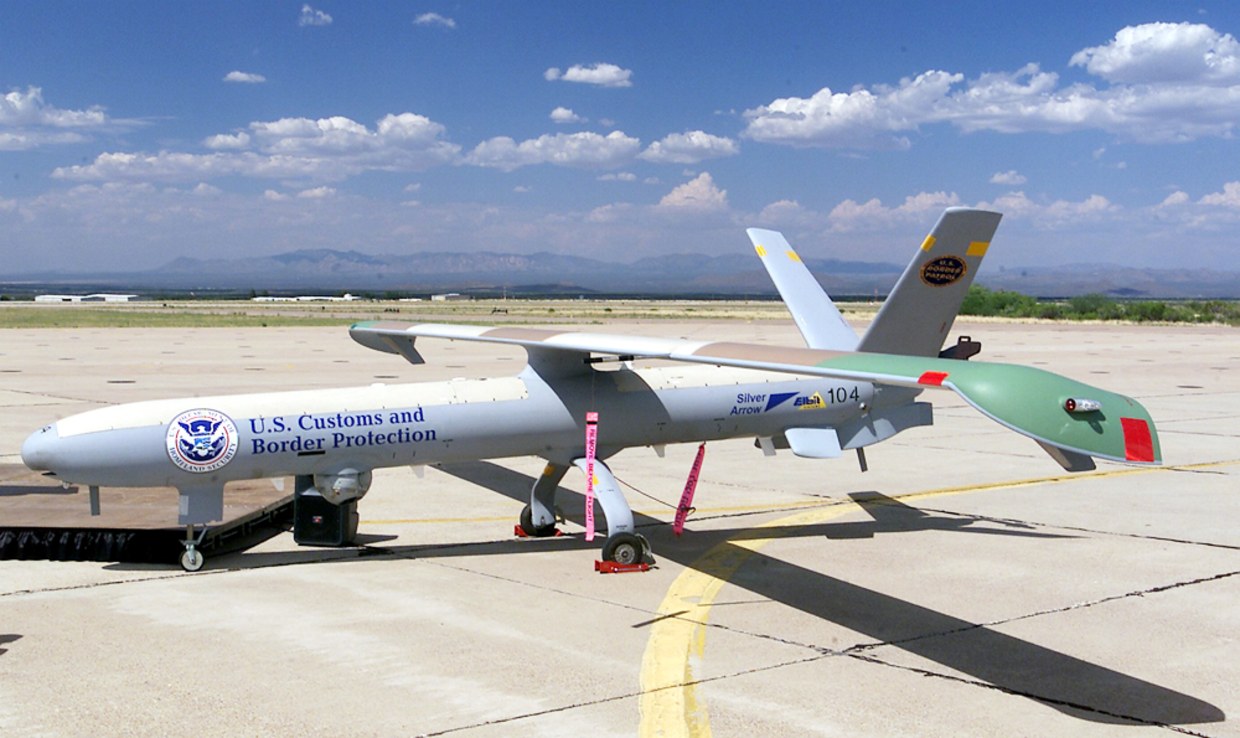
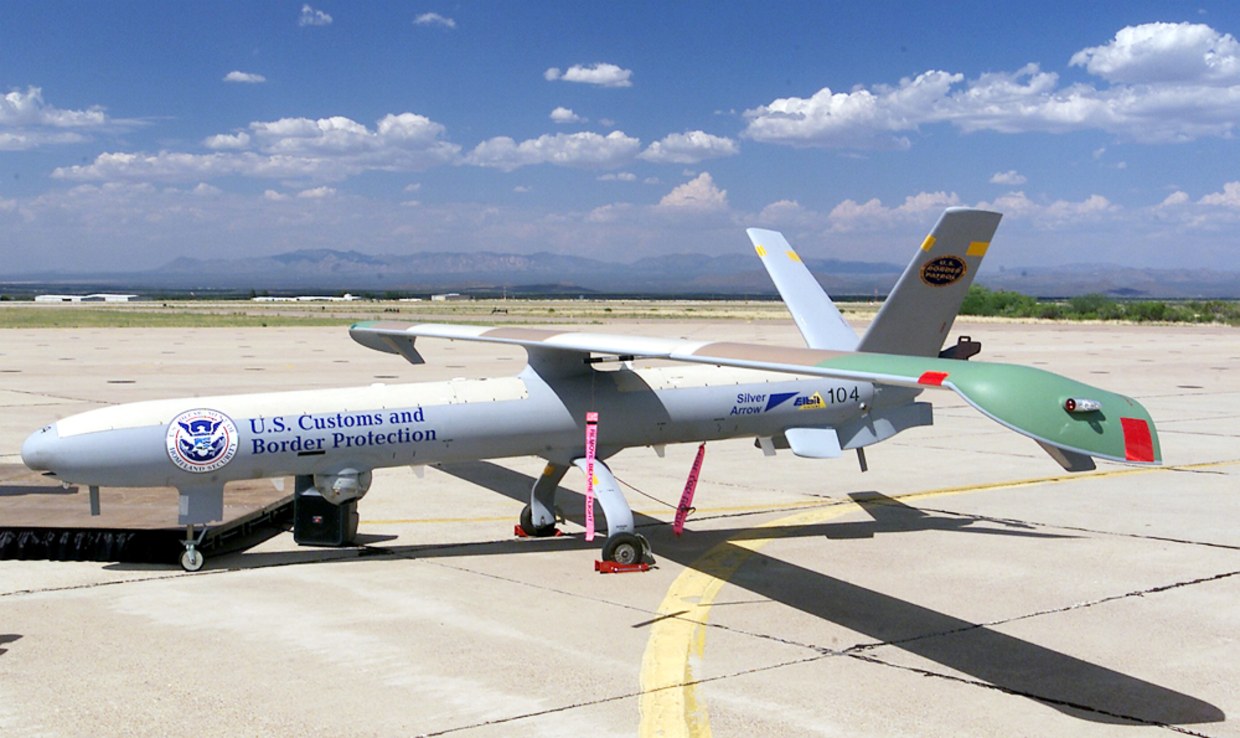
The rapid evolution of drone technology has fundamentally altered the landscape of law enforcement, especially along the U.S./Mexico border. In recent years, the adoption of advanced unmanned aerial vehicles (UAVs) for surveillance and interdiction has sparked intense legal and societal debates. The deployment of long-range, heavy-lift drones—like the ones recently developed by Canadian manufacturer Draganfly—illustrates both the promise and the challenging legal aspects of using aerial technology in border security operations.
In this article, we take a closer look at the dual use of drones for surveillance and supply delivery, examine the legal ramifications for border security, and discuss the evolving role of federal, state, and local agencies operating under an increasingly complicated regulatory framework. We will also dig into the finer points of drone-based operations in law enforcement, highlighting both the technical achievements and the tangled issues that come with integrating cutting-edge technology into a conservative legal realm.
Exploring the Legal Framework for Long-Range Drone Operations
As law enforcement agencies look to extend their capabilities in managing the border, long-endurance drones provide what many see as a critical asset. However, their operation comes with a mixture of legal challenges and operational benefits that need careful consideration.
Regulatory Compliance and Constitutional Considerations
Deploying powerful drones for border control is not just a technical upgrade—it also raises a host of legal questions. Federal law, state regulations, and local guidelines must all be reconciled in order to allow extended drone flights over sensitive border areas. In particular, issues such as Fourth Amendment protections against unreasonable searches and seizures, privacy rights of individuals, and the potential for overreach in surveillance are matters that law enforcement agencies must handle delicately.
Lawmakers and legal experts have been busy debating these matters. The key is to establish protocols that provide effective surveillance capabilities while ensuring that citizens’ rights are not trampled in the name of security. Several legal precedents have addressed the use of aerial surveillance in the past, but the new capabilities offered by long-endurance drones—capable of staying aloft for hours and covering vast distances—require a fresh look at the legal landscape.
Balancing Civil Liberties with National Security Goals
The use of drone technology at the border has triggered a debate that centers around the balance between public safety and individual rights. On one side, the need for enhanced border security is clear given the ongoing issues of drug smuggling and human trafficking. On the other, the constant monitoring possibilities provided by drones raise concerns about potential surveillance overreach.
Law enforcement officials argue that extended patrol capabilities are essential for responding to threats quickly, especially in regions where traditional patrol methods are overwhelmed by the sheer geographic challenges. However, civil rights advocates worry about the “big brother” potential of such systems, where constant surveillance may lead to unwarranted intrusions into private affairs. To address these conflicts, agencies are developing strict guidelines that outline when, where, and how drones can be used in order to ensure that their use remains both effective and legally compliant.
Advanced Technology and Its Impact on Law Enforcement
Draganfly’s introduction of hybrid-power drones represents a notable leap in the technological frontier. By incorporating a dual-engine system that uses both combustible fuel and battery power, these drones have extended flight times of up to seven hours. With a nine-foot wingspan and a payload capacity of up to 100 pounds, these vehicles offer a range of applications beyond traditional surveillance.
Innovative AI Camouflage for Enhanced Surveillance
The integration of an AI-powered camouflage camera network at the border has been a game changer. This system is capable of identifying subtle human activities, ranging from migration patterns to potential human trafficking operations. The promise of this technology rests on its capacity to pick up even the small distinctions that set one scenario apart from another—allowing law enforcement to take proactive measures.
At the heart of such systems is a rugged software platform designed to manage the real-time feed of encrypted video data, ensuring that multiple agencies, from local sheriff’s offices to federal bodies like U.S. Customs and Border Protection, get immediate and reliable information. As the legal framework evolves to accommodate drone-based surveillance, questions regarding data storage, secondary use of collected information, and chain-of-custody issues continue to be deliberated upon in legal circles.
Legal Implications of Hybrid Fuel Technology in Drones
The hybrid nature of these new drone models is not only a technical marvel but also a subject of legal and environmental discussions. These UAVs can use a range of combustible fuels, which raises questions regarding emissions regulation and environmental impact assessments. Some legal experts contend that while the operational flexibility is key, adherence to environmental laws cannot be overlooked.
In addition to environmental considerations, the use-of-fuel specifications in drone operations is part of broader discussions on mission safety and reliability. State and federal agencies must figure a path through these legal requirements while maintaining an effective response system in tense border regions.
Enhanced Border Surveillance: Tactics and Legal Challenges
The use of drones for border surveillance is a double-edged sword. On one hand, they offer an unprecedented opportunity to maintain continuous aerial oversight in areas where on-ground presence alone has proven insufficient. On the other, this new method of monitoring brings very specific challenges—particularly when it comes to the complexities of international law and the rights of individuals in border regions.
Interagency Cooperation in Surveillance Operations
One of the most promising aspects of drone technology is its ability to create a unified surveillance network. The new drone systems are designed to stream high-definition video and real-time data feeds to multiple agencies simultaneously. This multi-agency cooperation is essential given that typically, border regions see a mix of local law enforcement, state police, and federal agencies like Border Patrol.
The legal implications of such cooperation include ensuring that data sharing complies with inter-agency agreements and privacy laws. Table 1 below outlines some of the key elements that law enforcement agencies must work through when coordinating data sharing across jurisdictional lines.
| Key Element | Description |
|---|---|
| Data Encryption | Ensuring that transmitted data is secure against unauthorized access. |
| Jurisdictional Boundaries | Clarifying which agency has authority over data obtained in cross-border operations. |
| Retention Policies | Setting clear guidelines on how long surveillance data is stored and who can access it. |
| Legal Oversight | Establishing legal review mechanisms to prevent misuse of the collected data. |
This careful harmonizing of operational needs and legal requirements is essential. In many cases, the legal frameworks have to be updated to catch up with rapid technological progress, ensuring that all stakeholders remain accountable while not hindering operational efficiency.
Potential Liability and the Scope of Legal Protection
Another major consideration is the liability associated with drone operations. For example, if a drone were to malfunction or erroneously record private activities, how would liability be assigned? Legal experts argue that clear protocols must be established to mitigate potential civil liability claims against law enforcement agencies. In law enforcement technology, these issues are very sensitive, as any misstep could result in not only public backlash but also lengthy legal battles.
Stakeholders are aware that the introduction of autonomous systems introduces a slew of legal questions: Who is responsible if a drone, while performing surveillance, causes property damage or violates privacy statutes? These are not merely technical issues—they are tangled issues that require a collaborative review by lawmakers, judicial authorities, and technology providers.
Role of Drones in Humanitarian Operations
Beyond their use in surveillance and interdiction, modern drones also have a humanitarian role to play in support operations along the border. With a payload capacity as high as 100 pounds, these drones are being envisioned not only as tools for law enforcement but also as lifelines for individuals who suddenly find themselves in emergencies.
Delivery of Essential Supplies in Emergencies
In border regions where traditional transportation may be limited, drones equipped with the necessary payloads can provide immediate assistance. These services include the rapid delivery of essential supplies such as food, water, medical kits, and communication devices to stranded groups or individuals. The ability to fly in harsh environmental conditions—whether in scorching heat or in cold, elevated terrains—is seen as a hallmark of this new technology.
From a legal standpoint, these humanitarian operations raise questions regarding the prioritization of resources and the allocation of liability in case of delays or delivery errors. However, many legal experts agree that the critical nature of these missions makes the benefits of drone delivery a must-have component of any modern border support operation.
Establishing a Communication Mesh-Network
Another promising application of these drones lies in their ability to act as a communications repeater during emergencies. When law enforcement teams are out in remote or challenging terrains, maintaining reliable communication can be nerve-racking. Operating in such conditions, drones can be used as temporary links in a mesh-network to enhance communication between field officers and command centers.
This operational capability has key legal implications—namely, ensuring that the communication networks remain secure and that sensitive information is protected. Cybersecurity protocols and appropriate encryption standards are essential to forestall potential digital threats, a concern that is increasingly critical in today’s technology-driven enforcement environment.
Operational Challenges and the Small Distinctions of Implementation
While the potential of advanced drones in border security is undeniable, numerous operational challenges remain. The success of these systems depends on several key factors including flight endurance, payload management, and reliable data streams in real time. All of these aspects are tangled with legal requirements that ensure operational safety and data integrity.
Battery Life Limitations Versus Extended Flight Capabilities
One of the biggest operational challenges the current drone fleets face is the limited battery life. Traditional models from manufacturers such as DJI typically have about a 30-minute window of useful operation, which is hardly enough for the expansive border regions where sustained surveillance is essential. The new hybrid drones from Draganfly aim to overcome this limitation by using a combustion engine to supplement battery power and extend flight durations up to seven hours.
This extended flight capability is deemed critical by law enforcement agencies, especially in terrains where immediate response times are imperative. However, the extended operation time also necessitates new safety protocols to manage risks arising from prolonged exposure to adverse conditions. These protocols—covering technical malfunctions, emergency landings, and beyond—require careful legal scrutiny and routine updates to existing legislation.
Managing Data Streams and Maintaining Evidence Integrity
With drones streaming real-time video feeds and data back to multiple agencies, maintaining the integrity of captured evidence becomes one of the more demanding challenges. The legal system relies on accurate and untampered evidence in criminal proceedings, and any failure in the drone system’s data recording process may expose agencies to significant legal vulnerability.
Several points need close attention in this regard:
- Ensuring that storage devices used in drones meet forensic standards;
- Maintaining a clear chain of custody for all data captured;
- Deploying encryption protocols that prevent unauthorized access; and
- Implementing audit trails to monitor data access and modifications.
Addressing these requirements is not merely a technical endeavor—it is a legal necessity that involves working through the small distinctions in data law, privacy regulations, and evidence handling. Legal experts continuously debate these subtle details, searching for ways to integrate emerging technologies without compromising legal standards.
Interagency Cooperation: A Critical Aspect of Drone Integration
The success of drone operations in border security largely depends on cooperation among various law enforcement and governmental agencies. The integration of data from local police, Border Patrol, and even departments of defense underscores the need for clear legal frameworks that facilitate smooth interagency interactions.
Establishing Clear Jurisdictional Protocols
In multi-agency operations, the issue of jurisdiction often becomes one of the most intimidating legal challenges. Clear protocols and agreements are vital to ensure that data sharing and operational command are not disrupted by overlapping legal authorities. For example, when a drone’s surveillance feed captures an incident that could lie at the intersection of federal and state laws, it is critical to have predefined agreements outlining which agency takes the lead and how collaborative efforts are managed.
Some of the guidelines that are being considered include:
- Joint operational protocols that define the roles of each agency;
- Data sharing agreements that adhere to national privacy standards;
- Regular interagency trainings to get around potential operational pitfalls; and
- Periodic legal reviews to update interagency protocols in line with technological advancements.
These measures are seen as essential steps in making sure that the many players involved in border security can work together smoothly, thus ensuring that the benefits gained from drone surveillance do not lead to jurisdictional conflicts or legal standstills.
Integrating Drones into Existing Legal and Security Frameworks
The integration process itself is a delicate balancing act. On one hand, there is a need to adopt innovative technology that significantly boosts operational efficiency. On the other hand, law enforcement agencies must operate within a strict legal framework to avoid overstepping constitutional boundaries.
This balancing act involves making small adjustments to existing protocols on surveillance and operational data management. It also includes revising policies related to the use of force, given that drones can now play an active role in apprehending unlawful border crossers. Legal experts urge that any revisions to policy should aim to reduce ambiguities and ensure that all technological tools are used within a clearly defined legal context. These revisions are being crafted through continuous dialogue among legal experts, policymakers, and technology developers.
Prospects for Future Legal and Technological Developments
Looking ahead, the role of drones in border surveillance and law enforcement is likely to continue growing. With technological innovations coming rapidly, it is crucial that the legal framework evolves concomitantly to manage both opportunities and challenges. The future of drone law enforcement may well lie in the flexible integration of technology and the consistent reformation of legal guidelines so that both operational needs and individual rights are safeguarded.
Legal Innovation in Response to Technological Advancements
The legal system has historically shown a capacity for adapting to technological change, but the pace of improvement in drone technology challenges traditional legislative processes. It is now more important than ever for lawmakers to work proactively by anticipating the effects of emerging UAV technologies on privacy, civil liberties, and public safety. Such proactive steps might include:
- Drafting new legislation that specifically addresses drone surveillance to account for extended flight capabilities and long-range monitoring;
- Establishing oversight committees that bring together law enforcement, legal experts, and technologists;
- Regularly updating legal standards to keep pace with operational innovations; and
- Creating incentives for agencies that demonstrate best practices in maintaining data integrity and ensuring surveillance accountability.
These initiatives are considered key to ensuring that technological advances are not only exploited for their operational benefits but also implemented in ways that allow for accountability and transparency.
Managing the Evolving Legal Landscape: The Need for Ongoing Dialogue
The legal debates surrounding drone surveillance are far from over. Continuous dialogue between all stakeholders—from technologists to lawmakers, law enforcement officers to community advocates—is necessary to address the ever-evolving issues that this technology brings forth. Often, the discussions center on finding a path that is both efficient and legally sound.
The ability to manage your way through these issues will depend on how effectively these groups can work together to refine policies as new challenges appear. This dialogue must acknowledge the small distinctions that underline both technological performance and legal standards. It also requires a commitment to regularly reviewing not only how drones are used in practice but also the legal doctrines that govern their operation.
Human Rights Considerations and Public Perception
The deployment of advanced drone technology in border security operations brings into sharp focus a range of human rights considerations. Public opinion is divided: while many appreciate the added safety and rapid response offered by drones, others express concern over potential encroachments on privacy and individual liberties.
Ensuring Transparency in Surveillance Operations
Transparency is critical in upholding the legitimacy of drone operations in the public eye. Law enforcement agencies must communicate clearly about how drone surveillance is conducted, what data is collected, and how that data is used. Regular audits, public reporting, and independent oversight mechanisms are all super important for maintaining public trust.
This transparency must also extend to addressing legal challenges. For instance, agencies should be ready to provide detailed explanations regarding the procedures followed if a drone captures evidence in sensitive areas. Establishing open channels of communication not only helps in mitigating public concern but also plays an essential role in clarifying how new technologies can coexist with established legal rights.
Public Engagement in Shaping Legal Parameters
Public dialogue and community engagement play an essential role in shaping the legal frameworks that govern drone use. In many democratic societies, policy shifts occur not in isolation, but as a result of careful consultation with the communities they affect. Community advisory boards, public hearings, and online forums are all examples of venues where law enforcement agencies can “take a closer look” at public expectations and concerns.
By integrating public feedback into policy making, government agencies stand a better chance of developing guidelines that are both effective in enhancing border security and respectful of individual rights. Moreover, this ongoing engagement helps to defuse tension and build a sense of shared responsibility for the well-being of border communities.
Final Thoughts: Bridging Technology and Law
The emergence of advanced drone technology in border security operations presents a fascinating example of how innovation and law enforcement can intersect in both promising and challenging ways. While the advantages are clear—from extended surveillance capabilities to quick-response delivery of essential supplies—the legal twists and turns that accompany such technological leaps demand careful review and constant evolution of legal frameworks.
For law enforcement agencies on the front line, the benefits of extended drone flight times, increased payload capacity, and integrated AI systems are undeniable. At the same time, balancing these operational advancements with strict adherence to legal standards is a task that requires ongoing refinement and proactive legislative interventions.
The border regions, characterized by both extreme environmental conditions and serious security challenges, are a proving ground for this new generation of UAVs. Through interagency cooperation, transparent practices, and a well-articulated legal framework, it is possible to harness the potential of drone technology without sacrificing individual rights or running afoul of established legal principles.
Looking ahead, the intersection of drone technology and border security could well serve as a case study in how law enforcement adapts to new tools. With clear protocols, regular legal reviews, and sustained dialogue between policymakers, technical experts, and the public, the challenges posed by these sophisticated systems can be managed responsibly.
In summary, the adoption of long-range, heavy-lift drones represents both a significant opportunity and a set of challenging legal puzzles for those working in border security. As technology continues to evolve, so too must the legal frameworks that govern its use. By addressing the trickier parts of jurisdictional oversight, ensuring strict data security, and actively engaging with community stakeholders, law enforcement agencies can effectively use these advanced tools to protect our borders while upholding the principles of justice and civil rights.
Key Takeaways and Future Legal Considerations
In light of the discussion above, several key points emerge for those following both legal and technological developments in border surveillance:
- Interagency Collaboration: The success of drone operations hinges on clear, legally sound protocols that facilitate data sharing and joint operations.
- Privacy and Data Integrity: Protecting evidence and ensuring secure data streams helps maintain public trust and simplifies legal challenges.
- Enhanced Operational Capabilities: Extended flight times and increased payload options are critical for addressing the vast geography and challenging environmental conditions at the border.
- Humanitarian Applications: Drones deliver essential supplies and establish communications in emergency situations, providing a dual benefit that extends beyond enforcement.
These points not only highlight the complex interplay between technology and law but also underscore the need for continuous updates to both operational practices and legal regulations.
Looking Forward: A Call for Proactive Legal Adaptations
The integration of innovative drone technology into border security operations is a story still in its early chapters. To ensure that this narrative unfolds in a way that respects both national security imperatives and individual liberties, lawmakers, judges, and law enforcement officials must remain engaged in ongoing dialogue and reform.
If the legal community can successfully work through the tangled issues presented by these devices—by sorting out jurisdictional concerns, updating regulatory guidelines, and implementing robust oversight mechanisms—the benefits of advanced drone surveillance can be fully realized. In doing so, agencies will be well-equipped to handle not only today’s challenges, but also the unpredictable twists and turns of tomorrow’s security landscape.
Ultimately, bridging the gap between cutting-edge technology and time-tested legal principles is a dynamic process. By continuously adjusting to new circumstances and refining existing regulations, the legal system can ensure that the promise of drone technology is met with corresponding accountability and respect for the rule of law.
Conclusion
The evolution of drone technology has ushered in a new era of border security that holds immense potential for improved surveillance, rapid response, and humanitarian support. Yet, this progress is accompanied by a series of legal challenges—ranging from privacy concerns to issues of data integrity and liability. As law enforcement agencies adopt these advanced tools, they must also adapt legal protocols and interagency cooperation frameworks to ensure that the benefits of these innovations are realized without compromising individual rights.
Through proactive dialogue, rigorous legal oversight, and continuous innovation in regulatory practices, the legal framework governing drone operations can evolve to meet the needs of modern law enforcement while protecting the foundational principles of justice.
As we move forward, both the technical and legal communities have a shared responsibility: to work together in finding your way through the challenging parts, the tangled issues, and the delicate twists and turns that define this era of technological advancement in border security.
Originally Post From https://dronelife.com/2025/10/20/draganfly-border-patrol-drones/
Read more about this topic at
Cross Border Surveillance Drone: Our solutions
Detecting and Mitigating Drones on the Border