Arizona Flooding: Legal Implications and Community Impact
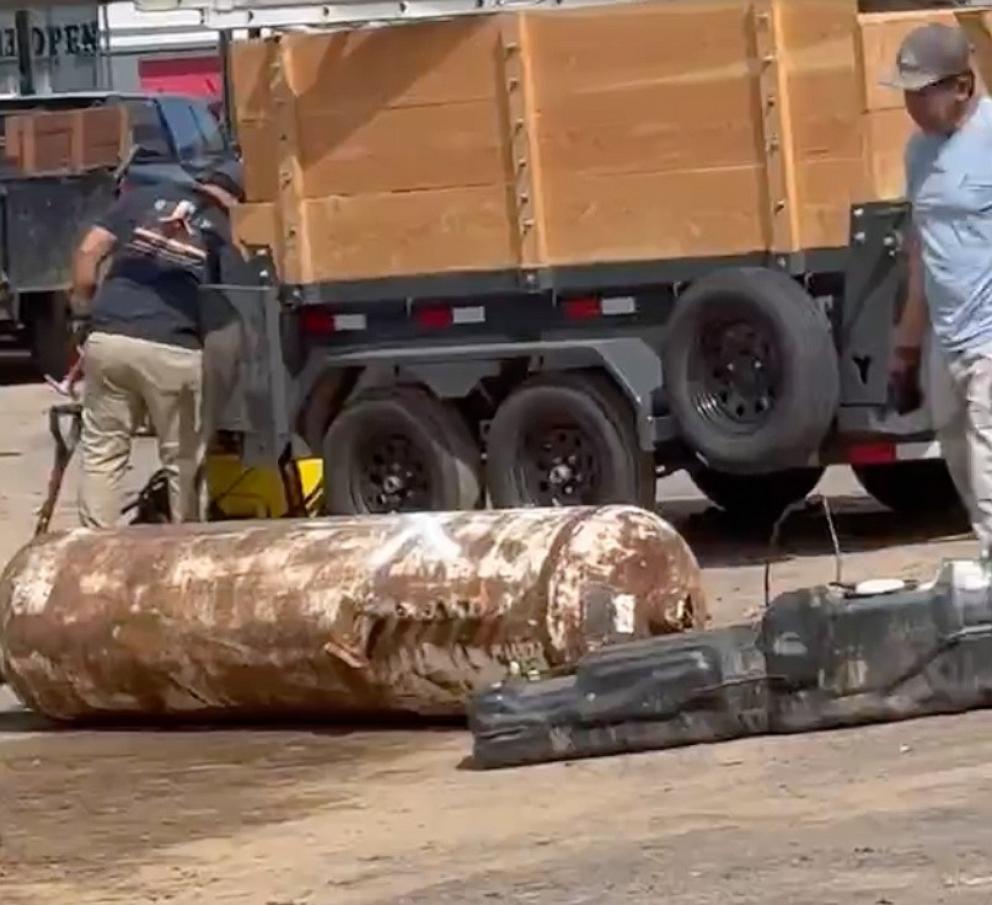
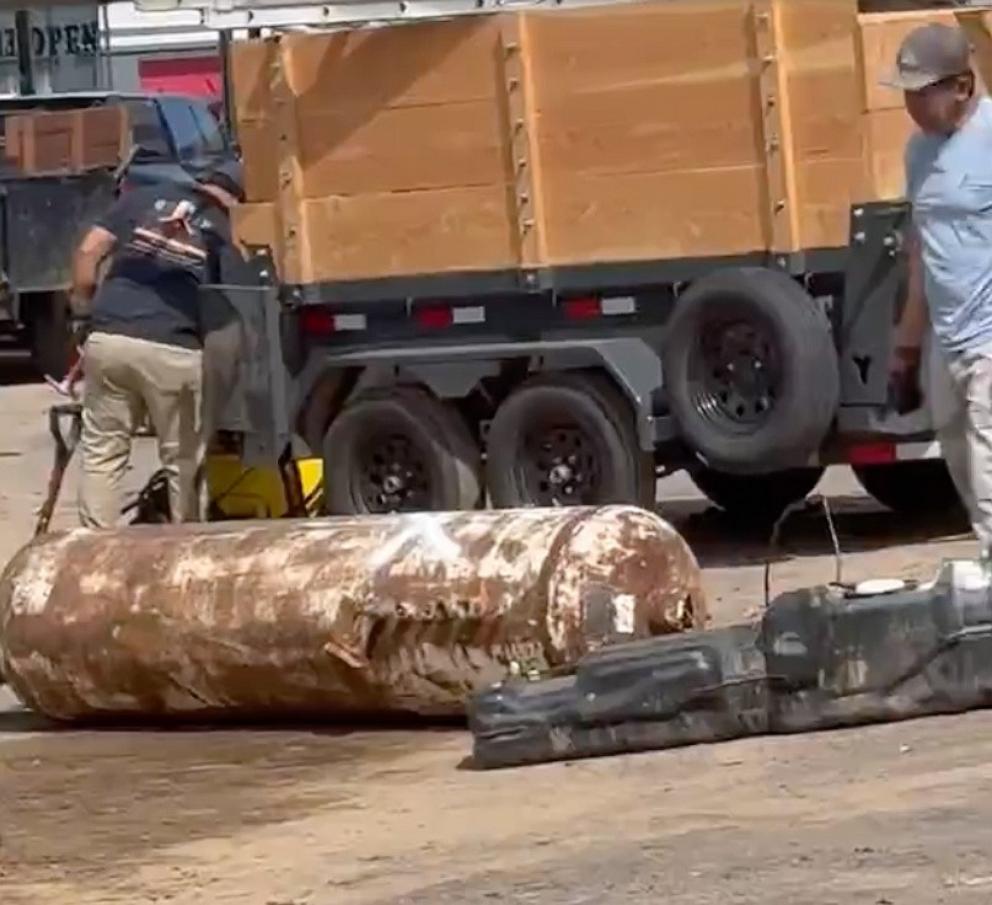
The recent catastrophic flooding in parts of Arizona has left our community reeling. With at least four lives lost and over 1,000 propane tanks swept away from a distribution facility, we are confronted with a heady mix of emotions and serious legal and public safety questions. In this op-ed, we will take a closer look at the key components of this disaster, from emergency response shortcomings to the tangled issues posed by hazardous materials in floodwaters, all while evaluating how emergency declaration processes hold up under legal and ethical scrutiny.
While the immediate human cost of the flood is tragically clear, broader questions remain regarding governmental responsibility, community preparedness, and the chain of command in times of crisis. This article aims to dig into the details of the event, taking a closer look at the overflow of hazardous materials, the wide-reaching repercussions on public safety, and what the law might say about accountability during these nerve-racking times.
Hazardous Materials in Floodwaters: A Legal Minefield
The incident, which saw around 1,000 propane tanks swept away from a distribution facility, introduces a host of potential legal liabilities and safety hazards. The tanks, capable of explosive and dangerous outcomes if mishandled, add another layer to an already complicated emergency scenario. As floodwaters mix with hazardous chemicals, the local government, emergency agencies, and private stakeholders are forced to confront the small details that could exacerbate community risk in the coming days.
Public Safety and Propane Hazmat Concerns
Legally speaking, when hazardous materials like propane are involved, regulatory frameworks kick in immediately. Local authorities must make key decisions about zoning, evacuation, and shelter-in-place orders to prevent further risk. The property owners and managers of these facilities also face potential legal consequences if their safety measures are found lacking. We must consider:
- How current regulations address flooding and chemical storage.
- The degree to which emergency protocols were followed by both private and public entities.
- The potential liability for failing to secure hazardous materials during environmental crises.
Recent developments underscore the need for improved coordination between private businesses and local governments. The fact that hazardous materials were left exposed creates a dangerous set of legal and practical problems—for example, the risk of explosion could lead to new claims against property managers or municipal authorities, especially where negligence might have played a role. While emergency management teams wrapped up the first phase of response, the lingering threat of these propane tanks remains a convoluted and frightening issue.
Government Response and Emergency Declaration: A Legal Examination
Arizona Governor Katie Hobbs’ declaration of a state of emergency was a move to expedite the provision of resources and to activate a range of legal authorities designed to address such dire instances. By using state power to mobilize rescue teams from multiple counties, including Maricopa Search and Rescue and Pima County Search and Rescue, the state took the appropriate step toward mitigating the flood’s impact. However, the legal and logistical complexities involved in such declarations are not straightforward and warrant a more detailed examination.
Understanding the Scope of the Emergency Declaration
When a state of emergency is declared, it places all agencies on high alert and allows them the flexibility to operate under temporary legal waivers. This is critical for speeding up responses, but it also opens the door for questions regarding civil liberties, environmental regulations, and property rights. The tricky parts include:
- How extended powers affect individual rights.
- The responsibility of government officials toward ensuring a balanced and unbiased response.
- Potential legal challenges from affected businesses or residents who believe that the state of emergency measures infringed on their rights.
While the emergency declaration is essential under these overwhelming conditions, it is also important that the state continues to recalibrate its actions as events unfold. The legal fine points in how state and local governments collaborate can have a lasting impact, and any misstep may lead to challenging legal aftermaths and public distrust. In these nerve-racking moments, authorities must work meticulously with multiple agencies because even slight miscommunications can lead to further complications.
Community Impact and Search and Rescue Challenges
The human dimension of this tragedy cannot be understated. In addition to the confirmed fatalities, two individuals remain unaccounted for, and many residents are now sheltering in place, worried about their safety amidst the hazardous conditions. Community response is complicated—not only by the physical presence of dangerous materials but by the confused bits of legal mandates that govern public behavior during disasters.
Legal Considerations in Emergency Search and Rescue Operations
A robust search and rescue (SAR) effort is underway, and it is critical for agencies to operate under a clearly defined legal framework. The SAR teams must figure a path through both the natural obstacles posed by flooding and the legal labyrinth associated with emergency response. Some of the legal topics related to search and rescue operations include:
- Authority limits during emergency operations.
- Legal liabilities in cases of misdirected traffic or interference with rescue efforts.
- Coordination between various government and non-government rescue agencies as regulated by local and federal law.
Beyond operational challenges, the legal responsibilities of those managing these operations are under the microscope. Every minute spent on rescue is weighed against potential legal claims if the operations are either too slow or overly aggressive. In such tense conditions, rescue teams must make on-the-spot decisions where the fine shades of required legal compliance are not always the easiest to distinguish.
Legal Frameworks Governing Emergency Response
The interplay between state laws, federal regulations, and local ordinances shapes the community’s ability to react to disasters. Any breakdown in this system—whether due to inadequate emergency management policies, delays in response, or missed safety protocols—can lead to serious legal consequences for both public and private entities.
Emergency Management Laws and Liability
Legal principles that govern emergency management are designed to reduce liability when adverse events occur. However, when unexpected dangers, such as hazardous propane tanks, enter the scene, accountability becomes murky. The responsibilities lie at multiple levels:
- Local governments must ensure public spaces are safe, making quick decisions about evacuations and sheltering directives.
- State authorities are charged with coordinating between various agencies, which involves managing tricky parts of inter-agency communication and cooperation.
- Private companies, especially those managing potentially hazardous materials, must adhere to strict safety standards and could face lawsuits if found negligent.
In many cases, these legal responsibilities overlap. Should investigations reveal misconduct or a failure to comply with safety standards, there could be both criminal and civil repercussions. It is essential that regulation and legal oversight tighten the screws on both public policy and private practices to ensure that such off-putting events are systematically prevented.
Dissecting the Policy Responses and Their Legal Impact
An important angle in evaluating the flood response is the broader policy context. Policy makers at the state and local levels are under pressure to revise and reinforce their approaches to managing emergencies, especially as climate change ushers in more unpredictable and extreme weather patterns.
Emergency Preparedness and Policy Oversight
Key legal challenges in formulating emergency preparedness policies include managing the complicated pieces that form part of the emergency management puzzle. In the case of the Arizona floods, several policy issues come into focus:
- How existing safety protocols measure up under unprecedented natural conditions.
- When and how emergency declarations should be issued to strike the right balance between rapid response and safeguarding civil rights.
- The mechanisms for oversight and accountability once the immediate crisis has passed.
In many jurisdictions, these issues remain under constant review. The legal frameworks used to justify emergency measures are occasionally ambiguous, leaving room for debates around scope and necessary extensions of power. A more transparent process, complete with public input and expert legal review, could help ease some of the overwhelming concerns that arise in the wake of such tragedies.
Lessons Learned and the Future of Disaster Response
This flood is not only a moment of deep tragedy but an opportunity to learn. Legal experts and community stakeholders must come together to discuss the small distinctions that separate a competent emergency response from one that falls short. By utilizing this disaster as a case study, we can help guide future policy decisions and legal strategies aimed at mitigating risks associated with extreme weather events.
Critical Points for Future Legal and Policy Reforms
To steer through the tangled issues of future emergency events effectively, consider these super important legal and policy factors:
- Improved Hazardous Material Protocols: State and local governments need clear-cut guidelines for the storage and safeguarding of potentially dangerous materials, particularly in industries prone to flooding risks.
- Enhanced Interagency Coordination: Effective cooperation among different levels of government and private agencies must be formulated and practiced regularly through drills and policy updates.
- Public Communication Strategies: Transparent, accurate, and timely dissemination of information is key to avoiding rumors and legal disputes over public safety measures.
- Revisiting Liability Standards: Legal standards should be updated to reflect the new climate realities, as the challenges posed by extreme weather events can no longer be managed within outdated frameworks.
- Investment in Emergency Infrastructure: Our communities must invest in the systems and technology necessary for effective emergency management, ensuring that a crisis is not compounded by preventable infrastructural failures.
These facets are essential; they also represent a roadmap for communities and policymakers facing similar disruptive events in the future. The intricate balance between protecting public health and maintaining individual and corporate rights is a challenge that requires technical, legal, and socially responsible solutions.
Examining the Role of Federal and Local Statutes
From a legal expert’s viewpoint, the Arizona flooding is a classic example of how federal, state, and local laws intersect during emergencies. Hybrid statutory mechanisms exist to empower authorities at every level, yet the overlapping jurisdictions can sometimes lead to tangled issues when immediate action is needed.
Federal Guidelines Versus Local Autonomy
The Federal Emergency Management Agency (FEMA) and other federal bodies provide guidelines intended to standardize responses during natural disasters. These standards, however, only function if local authorities are equipped and well-trained to implement them under stressful conditions. The following areas highlight where federal and local responsibilities interlace:
- Funding and Resource Allocation: Federal aid is typically conditional upon state and local governments having well-developed emergency plans. These funds often come with mandates that require detailed post-disaster reviews and accountability measures.
- Legal Liability and Insurance: In environments where federal disaster declarations are in place, the lines of liability may blur. Local officials must therefore be thorough in documenting their actions during and after the incident.
- Cross-Border Collaboration: The overlapping of jurisdictions sometimes mandates cooperation between neighboring regions—a process that, if not carefully managed, can result in confusing bits that delay life-saving decisions.
Understanding these fine points is critical when assessing how to improve existing threats of similar disasters in the future. In practice, the lack of clarity between federal and local responsibilities can lead to delays in mobilization, showing that even well-intentioned guidelines may be hampered by bureaucratic knots.
Exploring the Community’s Perspective: Voices From the Ground
The immediate impact on the community is palpable. From residents whose properties have been consumed by floodwaters to first responders risking their lives in hazardous conditions, every participant in this tragedy has contributed to a layered narrative of loss, frustration, and, ultimately, resilience.
Residents’ Stories and Legal Recourse
Many residents now face daunting challenges as they try to piece together their lives in the aftermath of the flood. Community members have expressed concerns about many factors, including:
- The responsibility of local authorities in providing adequate warnings.
- The adequacy of response times from emergency services.
- Future legal claims against those deemed negligent in equipping or protecting hazardous materials.
Legal recourse in these cases can often feel overwhelming, with layers of documentation, proof of negligence, and a slow-moving judicial process. The homegrown feeling of desperation among those affected is often met with complex legal twists and turns, leaving victims to rely on community support groups and advocacy organizations as they sort out the maze of legal procedures.
In-Depth Look at the Emergency Management Process
Using the recent flooding incident as a case study, it becomes evident that every component of the emergency management process—from hazard assessment to post-disaster recovery—is filled with complicated pieces that require constant review. Agencies on the front lines, including Globe FD and local public works departments, have been working tirelessly amid the nerve-racking circumstances.
The Chain of Command in Disaster Response
One of the less-discussed but crucial aspects of any emergency response is the effectiveness of the chain of command. As officials attempt to figure a path through the flood crisis, each decision must be weighed against legal standards and public safety requirements. Critical areas of focus include:
- The clarity of communication between different responders.
- The role of trained rescue dogs and other specialized resources in search operations.
- The logistics behind deploying over 100 additional resources from various agencies to bolster local capabilities.
Every department, from Gila County Emergency Services to specialized SAR crews from across the state, must contend with the hidden complexities of coordinating under pressure. Although the cooperation has been significant, slight missteps or miscommunications in such scenarios can lead to overwhelming frustration and potential legal disputes later on.
Legal Opinions on Emergency Preparedness and Future Reforms
This event further highlights the need for ongoing legal reform tailored to emergency management. The issues experienced during the flood—whether it is handling hazardous materials or timeliness in law enforcement and rescue operations—present layers of legal challenges that require both immediate and long-term solutions.
Expert Recommendations for Policy Makers
In considering the way forward, legal experts recommend several step-by-step strategies to address these challenges:
- Legislative Reviews: Conduct periodic, detailed reviews of existing emergency management laws that are designed to address the tricky parts of natural disasters, ensuring they accommodate modern risks, including climate-driven events.
- Enhanced Training Programs: Government agencies responsible for emergency operations should implement robust training sessions that not only cover practical responses but also detail the legal responsibilities and liabilities in times of disaster.
- Public-Private Partnerships: Encourage closer collaboration between government agencies and private sector companies, especially those that handle hazardous materials. Clearer agreements on safety procedures and emergency preparedness could help reduce the risk of legal exposure in future events.
- Regular Drills and Legal Audits: Simulated emergency drills should include a legal review component, ensuring that all agencies are aware of and compliant with legal mandates during actual crises. This practice could help identify any potential issues before they become public safety hazards.
These recommendations are critical not just for legal clarity, but also for building trust between public institutions and the communities they serve. As the specter of climate change looms ever larger, these legal frameworks will need to evolve to better protect lives and property in an unpredictable world.
Comparative Analysis: How Other Regions Manage Similar Crises
In order to gain some perspective on the current situation, it is useful to compare how jurisdictions with similar climatic conditions manage their emergencies. Looking at past events in neighboring states reveals several strategies that may help Arizona refine its legal and operational responses.
Case Studies from Similar Natural Disasters
Other areas that have experienced severe flooding and hazmat situations offer insights that can be adapted to the Arizona context. For example, recent floods in the Midwest and Southeastern United States have shown the importance of the following factors:
- Clear Hazard Communication: Regions that succeeded in reducing casualties and legal fallout often had established protocols for alerting residents about dangerous materials and potential explosions. These systems provided constant updates and directions to safely evacuate affected areas.
- Robust Interagency Collaboration: Some states have created joint task forces that include representatives from law enforcement, environmental agencies, and emergency management, ensuring that subtle parts of the response are harmonized and efficient.
- Strong Legal Provisions for Post-Disaster Recovery: The legal clarity on compensation and assistance in disaster aftermaths proved to be a significant advantage in quickly restoring public confidence and ensuring that affected communities had resources to rebuild.
In incorporating lessons learned from these regions, Arizona authorities might consider establishing similar joint task forces and updating current legal guidelines related to hazard communication and post-disaster recovery efforts. These changes could help reduce the nerve-wracking tension that often accompanies gaps in policy and operational readiness.
The Role of the Media and Public Discourse in Shaping Legal Accountability
The media plays a critical role in framing public discourse around emergencies, influencing how legal accountability is perceived by both authorities and residents. From accurate fact-reporting to highlighting the reality of the risks faced by citizens, media coverage can be a catalyst for necessary legal reforms.
Accountability and Transparency in a Crisis
In situations such as this flooding incident, the responsibility of the media extends beyond simply reporting the facts—it involves shining a light on the twisted internal workings of public safety management and legal accountability. Media outlets can influence reform by:
- Encouraging transparency from state and local agencies about emergency decision-making processes.
- Promoting public discussion on necessary legislative updates to address problematic areas in emergency management.
- Helping to bridge the persuasion gap between affected community voices and legal experts, so that demands for accountability are both informed and fair.
This balanced approach is crucial. While it is important for the press to provide clear and neutral facts about tragedies, they also serve an essential function in reminding public officials that accountability is a must-have aspect of the recovery process. Through investigative reporting and thoughtful opinion pieces, the media can help ensure that future legal and policy decisions are better aligned with the community’s needs.
Synthesizing the Legal, Social, and Economic Impacts
Beyond immediate safety concerns, the legal ramifications of the Arizona flood reach into economic and social realms. Businesses affected by property damage, legal claims stemming from the mismanagement of hazardous materials, and the overarching question of whether sufficient precautions were in place are matters that can take years to resolve. This situation serves as a wake-up call to re-examine how economic losses intertwine with legal responsibilities.
Economic Consequences and Legal Remedies
The economic impacts following a natural disaster are vast. Not only do property damages need to be assessed, but public funds allocated for recovery have to be justified. Key economic and legal considerations include:
- Insurance and Liability Disputes: Many businesses and homeowners may find themselves embroiled in lengthy legal battles over insurance claims. Legal experts anticipate that the unique circumstances of having hazardous materials involved could lead to unprecedented cases.
- Disruption of Local Economy: The closure of property, potential business shutdowns, and the fear of contaminated environments can have a lasting impact on local commerce and, by extension, on the legal responsibilities of municipal administrations.
- Recovery Funding Allocation: Transparent and equitable distribution of recovery funds is essential. Any perceived mismanagement can spur legal challenges not only from individuals but also from advocacy groups representing community interests.
For many affected parties, the legal path to recovery is riddled with complications, from excessive paperwork to drawn-out court battles. Simplifying these processes—through both legal reform and clear policy guidelines—could make a significant difference in the overall speed and fairness of disaster recovery efforts. The challenge is to ensure that the system of legal remedies supports both immediate relief and long-term community rehabilitation.
Looking Forward: Building a More Resilient Legal Framework
The Arizona flood, with its layers of public safety, hazardous materials concerns, and legal complexities, points to a future where our legal systems must be both adaptable and robust. Looking forward, a number of changes could help prevent similar tragedies or at least mitigate their impacts.
Enhancing Community Legal Protections and Safety Measures
Revisiting and enhancing legal mandates for emergency response is essential. Initiatives that can make a real difference include:
- Stricter Safety Regulations: Laws concerning the storage and handling of hazardous materials need to be re-examined, ensuring that facilities are built in safer locations and that emergency protocols are rigorously enforced.
- Modernized Emergency Response Laws: As environmental challenges grow, legal reforms should consider the full scope of potential disasters. This means updating statutes to allow for rapid, coordinated responses without sacrificing accountability.
- Improved Public Engagement: Community outreach and education programs can help build trust in the legal and emergency management systems while keeping residents informed of their rights during crises.
- Integrated Legal and Technological Solutions: Emerging technologies, such as real-time data analytics and communication platforms, should be integrated into emergency systems. These tools can help leaders make informed decisions quickly by highlighting the little twists in every crisis scenario.
Such measures, although challenging to implement, are key to reducing future risks. Every legal step taken should aim not only to address current inadequacies but also to pave the way for resilient, community-centered disaster management strategies.
Wrapping Up: A Call to Action for Policymakers and Legal Experts
The tragic Arizona flood is a stark reminder of how natural disasters interact with our legal systems in unexpectedly complicated ways. The issues at hand—ranging from the mismanagement of hazardous materials to the timely and effective use of emergency powers—reveal a landscape that is still very much in need of correction and clarity.
This editorial is a call to action for policymakers, legal experts, and community leaders alike. It is essential that we learn from this devastating event by addressing the nerve-wracking legal, social, and economic challenges head-on. Through rigorous legal reform, closer interagency collaboration, and enhanced public communication, we can hope to reduce the tangled issues associated with natural disasters in the future.
Key Takeaways for a Safer Future
To summarize, here are the fundamental points that must be addressed:
| Issue | Challenges | Legal Considerations |
|---|---|---|
| Hazardous Materials | Exposure to propane tanks and other dangerous chemicals | Regulatory compliance and liability for environmental damage |
| Emergency Declarations | Rapid mobilization vs. protection of civil rights | Legal limits of state power and accountability measures |
| Search and Rescue | Coordinating multi-agency responses in hazardous conditions | Chain of command clarity and liability issues |
| Economic Recovery | Insurance claims, business interruptions, and recovery funding | Legal reforms for faster, fairer compensation processes |
Ultimately, the legal pathways carved out during disaster responses set the tone for community recovery and long-term policy reform. As we work to fix the confusing bits and tangled issues observed in this case, it is imperative that all stakeholders—government officials, the legal community, and the public—collaborate openly and honestly.
Conclusion: Building Resilience Through Legal Innovation
This flood is a turning point, one that should galvanize efforts toward building a more resilient legal infrastructure. The legal system must not only respond to crises after they occur but should proactively manage risks and protect the public against foreseeable dangers.
The challenges posed by the hazardous materials swept into public spaces, the overwhelming demands on rescue operations, and the immediate economic and social disruptions require more than temporary fixes—they call for long-term, innovative legal solutions. By taking a closer look at each aspect of the disaster, from emergency response effectiveness to post-disaster accountability, we can start to craft a legal framework that not only addresses current shortcomings but also preempts future crises.
As Arizona—and indeed communities across the nation—continues to contend with extreme weather events, the experiences detailed in this editorial must serve as a blueprint for legal and policy reform. Only through comprehensive strategic planning, rigorous legal oversight, and genuine community engagement can we hope to tame the nerve-wracking twists and turns of such emergencies and secure a safer, more resilient future for all.
Originally Post From https://southernillinoisnow.com/2025/09/28/arizona-flooding-kills-4-causes-1000-propane-tanks-to-wash-away-in-hazmat-concern/
Read more about this topic at
4 dead in Arizona flooding
Arizona flooding kills 4, causes 1000 propane tanks to …