
Governor Hobbs and the Border Security Debate: A Closer Look
Governor Katie Hobbs’ recent address has ignited discussions among Arizonans and legal observers about the state’s ongoing emphasis on border security, drug seizure operations, and public-safety pay enhancements. In a measured yet determined tone, Hobbs outlined how the state National Guard continues working with U.S. Customs and Border Protection (CBP) to tackle cross-border challenges. This commentary digs into the key elements of her announcements, reviews the measures proposed for law enforcement, and reflects on how fiscal decisions are aimed at recruiting and retaining essential public safety personnel.
As controversies swirl and expectations run high, it is crucial to get into the wider context behind these measures. In this editorial, we take a closer look at the various aspects of her address, including the detailed role of the National Guard in collaborative operations, the multifaceted challenges of drug seizures, and the legislative proposals aimed at giving a boost to frontline law enforcement. The language here is set in a neutral tone, steering clear of overt bias while ensuring that the information is accessible and engaging for a diverse readership.
Collaborative Efforts Between the National Guard and Federal Agencies
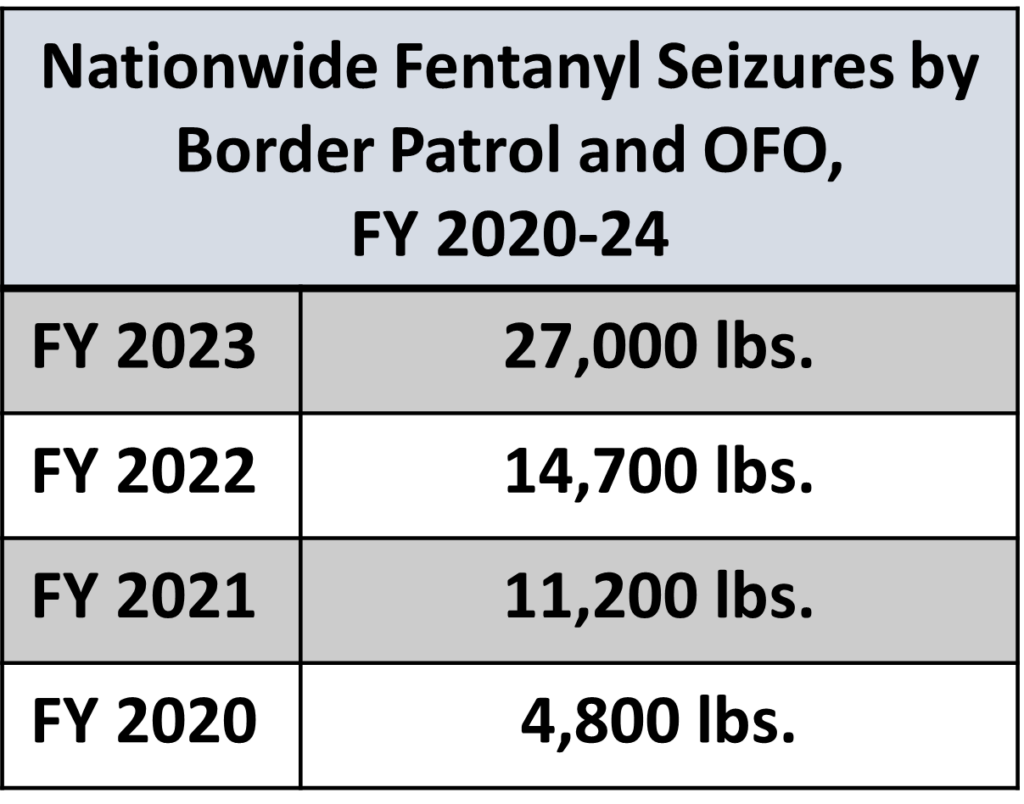
At the heart of Governor Hobbs’ speech lies a robust collaboration between the state National Guard and federal agencies, particularly CBP. During her remarks, she spotlighted that since the previous July, more than 8 million fentanyl pills have been seized, accompanied by substantial captures of meth, cocaine, heroin, and fentanyl powder. This partnership underlines a joint responsibility shared by state and federal levels in combating drug-related crimes and ensuring border security.
Viewing this cooperation through a legal and policy lens reveals an effort to create a smooth operational pathway among various entities. Such cooperation is far from straightforward – it involves a series of tricky parts that must be managed carefully. These include:
- Coordinating jurisdictional responsibilities
- Ensuring real-time communication during operations
- Aligning state budget priorities with federal law enforcement goals
The intricate details of these collaborations are sometimes tangled with political, operational, and logistical issues. However, when working together efficiently, these state-federal partnerships can help mitigate the spread of illegal substances and other cross-border challenges.
Assessing the Impact of Drug Seizures on Public Safety
Governor Hobbs’ announcement on drug seizures is not merely an administrative update but also a pivotal policies stance that speaks to broader public safety concerns. The data regarding the seizure of more than 8 million fentanyl pills, alongside other drugs, shows an ongoing commitment to disrupting drug trafficking networks that profit from the obscured opportunities offered by the border.
From a legal perspective, drug seizures represent both a tactical victory against criminal operations and a warning shot to transnational traffickers. Key issues that demand a closer look include:
- The legal grounding for extended cross-border search and seizure practices
- Challenges in the chain of custody and the admissibility of evidence in federal courts
- The potential impact of seizure statistics on public policy and future legislative efforts
While this drug seizure data sends a clear message regarding the state’s hard-line approach, it is also imperative to note that legal and operational challenges remain. The fine points of law relating to search warrants, evidentiary standards, and the complicated pieces involved in multi-jurisdictional operations require law enforcement and policy experts to continuously revise their strategies to remain both proactive and legally sound.
Public-Safety Funding Changes: Funding and Fairness for Law Enforcement
A significant portion of Governor Hobbs’ address was devoted to enhancing funding for law enforcement personnel. A core component of her executive budget involves a 5% pay increase for frontline officers including state police, correctional staff, and even state firefighters. Far from being merely an administrative adjustment in pay, this decision is pivotal to addressing the retention and recruitment challenges that are synonymous with public safety in the modern era.
This funding initiative has multiple dimensions that are worthy of discussion:
- Workforce Retention: A competitive wage is vital to prevent the loss of experienced professionals to other states or private sectors.
- Recruitment: The appeal of a robust pay scale is a key driver in attracting new talent, particularly in an area that deals with nerve-racking risks on a daily basis.
- Morale: Improved compensation often leads to increased job satisfaction, which in turn impacts overall morale and public safety outcomes.
This move can be examined as a legal and administrative strategy that ties closely with budgetary priorities. For lawmakers and government agencies, supporting law enforcement through adequate pay is not only a tool for practical recruitment and retention but also a statement about the value placed on public safety in an increasingly complex social landscape.
Real-Life Examples Illustrating the Impact of Public Policies
Governor Hobbs mentioned several personal examples that humanize and anchor her policy proposals in real life. Staff Sergeant Everett Griggs of the Arizona National Guard, along with married troopers Captain Trevor Graff and Sergeant Becky York, were referenced as emblematic figures whose lives and careers have benefited from enhanced policies, such as paid family leave. These anecdotes provide insight into how policies impact individuals and help to communicate policy goals with relatable examples.
The use of personal narratives in governmental addresses is not new; however, it serves multiple critical functions:
- Humanizing Policy: Personal stories help demystify the often nerve-racking and off-putting realms of government budget allocations and legal policy.
- Building Trust: By sharing personal examples, the government attempts to build a trust bridge with the public, showing that these measures are designed not only for abstract legal benefits but for tangible improvements in people’s lives.
- Highlighting Modern Workforce Challenges: The acknowledgment of issues like paid family leave demonstrates that public policy is keeping pace with the dynamic and sometimes intimidating work-life balance challenges encountered by today’s public servants.
The validation of these stories serves as a reminder that behind every budgetary line item or headline about border security, there exist individuals committed to public service and safety. The subtle details of these narratives add a human element that complements the broader policy discussion.
Analyzing the State Executive Budget and its Broader Implications
The executive budget is at the core of Governor Hobbs’ strategic vision for enhancing public safety. By including pay raises aimed at not only retaining but also attracting experienced professionals, the budget reflects priorities that go deep into operational efficiency and long-term planning.
An analysis of the executive budget reveals several key subtopics:
- Fiscal Responsibility: Ensuring that the budget allocations meet both immediate operational needs and long-term safety goals without overstepping fiscal prudence.
- Legislative Coordination: The governor’s pledge to work closely with the legislature highlights the necessity of aligning budget priorities with legislative processes, a process that can be full of problems and loaded with tension.
- Investment in Human Capital: A pay increase is a super important factor in uplifting the morale of those on the front lines, assuring them that the government values their contributions.
Determining how to steer through the intricate pathways of budget debates is not a straightforward path. It requires careful planning, open dialogue with lawmakers, and a commitment to fiscal transparency. There are also twisted issues regarding how the proposed increases will be financed, posing challenging questions for budget analysts and fiscal conservators alike.
Legal Challenges and Considerations in Enhanced Border Security Measures
The emphasis on border security is both a tactical move and a subject of ongoing legal debate. While securing the border is a goal shared by multiple parties, it also invites scrutiny over legal procedures and the limits of state authority vis-à-vis federal mandates. The efforts to seize large quantities of drugs, including the high-profile fentanyl operations, touch upon complicated pieces of legal machinery, including:
- Jurisdictional overlaps between state agencies and federal authorities
- The legal standard for evidence collection and custody across state borders
- Constitutional challenges that might arise from expanded state intervention in border areas
Legal experts often caution that while the intentions may be pure, the fine points of law need careful attention. In this context, the governor’s measures are underpinned by a series of legal agreements and legislative mandates that require constant oversight to ensure they remain within the boundaries of state and federal law. It is essential for policymakers to not only figure a path through these legal intricacies but also to engage with legal scholars who can offer guidance on how to counter any judicial challenges that might emerge.
State and Federal Collaboration: A Model for Other States?
The strategic coordination between state entities like the National Guard and federal agencies such as CBP invites a broader discussion about whether this model might be applicable elsewhere. Integrated operations like these have the capacity to lead to more efficient handling of both drug-related offenses and border security issues. Some key factors that suggest this collaborative approach could serve as a model include:
- Shared intelligence: The exchange of critical information between state and federal agencies improves situational awareness and rapid response capabilities.
- Cross-training initiatives: Joint training modules help build mutual respect and understanding, ensuring that all parties are on the same page during high-intensity operations.
- Resource pooling: The inter-agency collaboration allows for a more efficient use of limited resources, reducing redundancy and enhancing overall effectiveness.
Other states observing Arizona’s efforts may consider adjusting their own policies to mirror this kind of integration. While the process is often loaded with legal challenges and political debates, isolating the small distinctions that determine the success of such operations can help craft a blueprint for more effective border security nationwide.
Recruitment and Retention in Law Enforcement: Tackling Workforce Challenges
One of the major arguments presented by Governor Hobbs pertains to the need for enhanced pay in order to recruit new talent and retain the experienced professionals already serving on the front lines. Ensuring that law enforcement agencies remain adequately staffed is of paramount importance in addressing security concerns. However, several complicated pieces come into play when discussing workforce challenges:
- Competitive Compensation: With neighboring states sometimes offering higher wages, maintaining a competitive pay structure is critical in keeping experienced professionals from seeking opportunities elsewhere.
- Work Environment: Retention is not solely about money; it is also about supporting personnel through benefits, safety measures, and clear career paths.
- Public Perception: Fiscal decisions such as pay raises send a strong signal to the public that the government values the contributions of law enforcement and is committed to fostering a supportive work environment.
While discussions about pay raises often border on the technical and even intimidating aspects of budget cycles, the overall aim remains clear: to ensure that those who serve the public are given the support they need to perform their duties effectively. This involves not only competitive wages but also benefits that address work-life balance and post-service opportunities. By tackling these workforce challenges head-on, the government hopes to stabilize and grow its public safety sector.
Examining the Broader Economic Implications of Increased Public Safety Funding
Enhancing public safety funding injects new energy into local economies by ensuring that law enforcement agencies operate at optimal efficiency. However, such changes also raise questions about the broader economic implications on state budgets and tax revenues. Some of the key economic considerations involve:
- Budget Reallocation: The decision to prioritize law enforcement pay increases may require reallocation of funds from other sectors, leading to debates about economic priorities.
- Long-Term Savings: Investing in law enforcement can potentially lead to long-term savings by reducing crime rates and lowering associated public costs, such as legal proceedings and healthcare expenditures.
- Economic Equity: Ensuring that budget decisions benefit not only law enforcement agencies but also the communities they serve, thus maintaining a balance between security and socioeconomic well-being.
Economic analysts often underscore the importance of making fiscally responsible decisions that yield both immediate and long-term benefits. While the state’s executive budget focusing on law enforcement pay raises might be seen by some as a short-term boost in public safety, it also sets the stage for a more stable economic future where crime prevention becomes a key driver of economic health. Understanding these twisted issues is vital for a balanced debate that considers both security and economic stability side by side.
Understanding the Legislative Process Behind these Policy Decisions
Governor Hobbs’ efforts to secure additional funding and strengthen border security measures are inextricably linked to legislative processes. The pledge to work closely with the legislature represents one facet of this multi-layered approach. This dynamic cycle involves negotiations, amendments, and careful deliberations that are far from straightforward. Some specific points to consider include:
- Legislative Approval: Every executive budget proposal must be scrutinized and ultimately approved by a legislative body, a process that is full of problems and can become tense at times.
- Stakeholder Engagement: Lawmakers, advocacy groups, and the general public all have roles to play in shaping the conversation around public safety and border security.
- Ongoing Adjustments: The process does not end with initial approval; budgets are subject to ongoing review and may be adjusted as issues pop up or as priorities shift.
These discussions and negotiations underscore the fact that public policy is rarely static. Each piece of legislation is a result of working through a series of intertwined challenges, where third-party insights and even public opinion can help shape the final product. For the citizens of Arizona and beyond, understanding the legislative steps involved can make the process of government spending and legal decision-making more transparent and accountable.
Balancing Public Safety and Individual Liberties
While many applaud Governor Hobbs’ focus on strengthening law enforcement and border security, there is an additional layer of complexity embedded in these discussions—a balance between public safety and individual liberties. Critics of extensive drug seizure operations and increased border control measures argue that such measures could infringe upon civil rights if they aren’t implemented with proper oversight.
This debate brings to light several fine points of the legal landscape:
- Due Process: Ensuring that all operations, from drug seizures to border interventions, adhere strictly to the principles of due process and constitutional protections.
- Privacy Concerns: Intensified security measures often raise questions about privacy rights and the balance between surveillance and individual freedom.
- Judicial Oversight: The role of courts in reviewing the legality of certain operations, ensuring that quick emergency responses do not bypass essential legal protections.
The ongoing dialogue between those in favor of stricter security measures and civil rights advocates is indicative of the delicate balance required. While the administration touts these methods as necessary to protect Arizonans from drug-related harms, legal experts remind us that each step must taken with an eye on preserving the rights that form the backbone of any democratic society. The task of managing your way through these legal tensions is indeed both taxing and loaded with issues that demand constant oversight.
The Future of Public Safety Policy: Prospects and Challenges
The initiatives outlined by Governor Hobbs represent a modern approach to dealing with public safety in a multi-dimensional manner. With challenges ranging from international drug trafficking to local recruitment issues, Arizona’s policies may serve as a template for other states struggling with similar issues. The future of these policies will depend largely on how well they can adapt to evolving threats, fiscal constraints, and legal challenges.
Looking ahead, several areas will likely require further attention:
- Adaptive Policy Frameworks: The need for policies that are flexible enough to respond to new criminal methods while retaining accountability.
- Enhanced Training: Investing in advanced training programs for law enforcement to ensure that teams are equipped to handle both the obvious and subtle twists in evolving criminal strategies.
- Community Outreach: Maintaining transparency with the public, ensuring that there is a clear narrative linking these policies to improved safety outcomes.
This comprehensive approach, if implemented correctly, can help put measures in place that not only address today’s challenges but also anticipate tomorrow’s potential threats. As Arizona moves forward with these initiatives, the interplay between legal oversight, operational efficiency, and community engagement will be crucial in determining the overall success of the measures.
Enhancing Civic Engagement Through Transparency and Founding Member Initiatives
Beyond the immediate policy discussions, the initiative to offer Founding Member status reflects an attempt by the administration to encourage civic engagement and maintain government transparency. By inviting citizens to invest in a lifelong civic toolkit, the state is signaling that government operations should not be shrouded in mystery but instead made accessible and interactive.
This approach is characterized by several notable aspects:
- Community Involvement: Encouraging citizens to take an active role in understanding and influencing policy decisions.
- Transparent Communication: By offering tools that track meetings, provide transcripts, and allow for direct feedback, the administration aims to untangle some of the confusing bits of government processes.
- Sustainable Governance: A one-time payment for lifelong civic participation represents a new model in funding that not only supports independent journalism but also fosters accountability across all government levels.
This model attempts to forge a pathway where citizens are not mere bystanders but active participants in governance. The legally intriguing twist here is in how private citizen contributions might influence public policy through curated civic engagement platforms, leading to a more dynamic, open, and accountable government.
Community Impact and Legal Accountability in Public Policy
Every public policy, especially one related to public safety, should be closely examined for its community impact. Governor Hobbs’ measures, ranging from drug seizure statistics to workforce support initiatives, have far-reaching effects on everyday lives. One of the guiding principles is to ensure that the legal framework behind these policies does not compromise the interests of the community while only addressing immediate security concerns.
To break it down further, several key factors arise:
- Legal Accountability: Ensuring that all measures are accompanied by robust accountability protocols so that any missteps can be swiftly addressed.
- Community Safety: A comprehensive view of what constitutes safety—not just physical security but also public confidence in the legal system.
- Balance of Power: Maintaining a healthy equilibrium between state action and individual rights while fostering healthy debate in legislative bodies.
Legal and community experts alike emphasize that it is essential to work through these issues by establishing a transparent review process that protects citizens while ensuring that law enforcement agencies are kept on track with their security mandates. Garnering community input through public hearings and forums is another way to find your way through these complicated issues.
Concluding Thoughts on Policy Direction and Future Outlook
In summary, the outline provided by Governor Hobbs weaves together several intertwined priorities: safeguarding the border, combating drug trafficking, and ensuring that public safety remains an ongoing, front-line commitment through competitive pay and sustained support for law enforcement. While the legal and operational pathways are loaded with challenges—ranging from jurisdictional overlaps to fiscal debates—the overarching goal remains clear: better public protection without compromising individual liberties.
As policymakers, legal scholars, and citizens take a closer look at these initiatives, it becomes apparent that the future of public safety in Arizona will depend on continuous refinement and responsive legislation. Efforts such as these highlight both the strengths and the twisted issues inherent in our legal systems and the execution of public policy. Through constructive dialogue, community engagement, and persistent legal oversight, it is possible to build a framework that not only confronts current challenges but also prepares for a safer future.
The discussion surrounding border security, drug seizures, and law enforcement funding is emblematic of modern governance: an arena where small distinctions in policy matters can lead to significant societal impacts. By continuing to invest in our communities and refining legal processes, states like Arizona can set a standard for future public safety policies across the nation.
Final Reflections: A Call for Ongoing Dialogue
The administration’s recent address serves as a catalyst for an ongoing conversation about the interrelationship between security, legal oversight, and community welfare. While some aspects of the debate might seem overwhelming or even nerve-racking, it is essential for consumers of public policy to engage directly—whether by attending legislative meetings, providing feedback through established civic platforms, or simply staying informed through reliable news channels.
It is in the spirit of transparency and accountability that civic engagement initiatives such as the Founding Member project have been introduced, transforming government outreach in ways designed to foster public participation. With tools that allow citizens to track meetings, review transcripts, and ask pertinent questions about policy changes, the hope is to democratize the process of legal oversight and maintain a balanced check on governmental powers.
These initiatives reflect an understanding that effective governance in today’s environment demands not only executive action at the state level but also active input from the community. As such, lawmakers are encouraged to hold open discussions on budget decisions, operational strategies, and the broader legal implications of security measures. Only through comprehensive dialogue can society hope to untangle the confusing bits of modern legislative processes and ensure that our government remains responsive to the needs of its people.
Looking Ahead: Continuous Improvement in Public Policy
While Governor Hobbs’ current proposals set forth a proactive vision for public safety, continuous improvement remains essential. Future iterations of public policy should take into account the evolving threats and opportunities presented by rapid technological change, shifting geopolitical circumstances, and new legal precedents established through judicial review.
Key areas identified for ongoing improvement include:
- Technological Integration: Leveraging advanced data analytics and cyber-surveillance to further enhance border security and streamline drug interdiction efforts.
- Interagency Communication: Establishing more robust communication channels among state, federal, and local law enforcement to address both immediate crises and long-term trends.
- Legal Reform: Continuing to refine legal provisions around drug seizures, constitutional rights, and the limits of state intervention in border areas.
- Community Feedback Mechanisms: Improving platforms for public input and civic oversight, ensuring that there is a continuous loop of accountability between the government and the governed.
These measures are not only key to bolstering current policy but are also essential for building a resilient framework that can weather future challenges. It is through enduring commitment and a willingness to adapt to new realities that states can sustain both public safety and the freedoms that define democratic societies.
In Conclusion: The Path Forward for Arizona and Beyond
The dialogue ignited by Governor Hobbs’ address traverses far beyond the immediate concerns of border security and public-safety pay raises. It reaches into the heart of what modern governance seeks to achieve: a balanced, transparent, and responsive approach to protecting both community welfare and individual rights.
Challenges remain, and the intricate dance between state policy, fiscal priorities, and legal oversight is an ongoing saga. However, by embracing collaborative efforts, leveraging technology, and keeping lines of communication open between government entities and the public, Arizona is setting a benchmark that other states might well consider emulating.
The responsibilities undertaken by state and federal agencies—and the intertwined roles of law enforcement and legislative bodies—are a testament to the complexities of modern governance. Yet, even as these operations involve plenty of twists and turns, the ultimate objective is clear: to create a secure, prosperous society where public safety is both a responsibility and a right.
For policymakers and citizens alike, the journey ahead is about steady, incremental improvements and a commitment to maintaining a dialogue that neither ignores the hard realities of crime nor the essential protections that underpin our legal system. It is a call to action: to work together, remain informed, and ensure that every legal nuance and operational decision contributes to a safer and more just society for all.
Originally Post From https://citizenportal.ai/articles/6392742/Hobbs-emphasizes-border-security-drug-seizures-and-public-safety-pay-raises-in-address
Read more about this topic at
2025-2029 U.S. Border Patrol Strategy
Trump to replace ICE leadership with Border Patrol officials