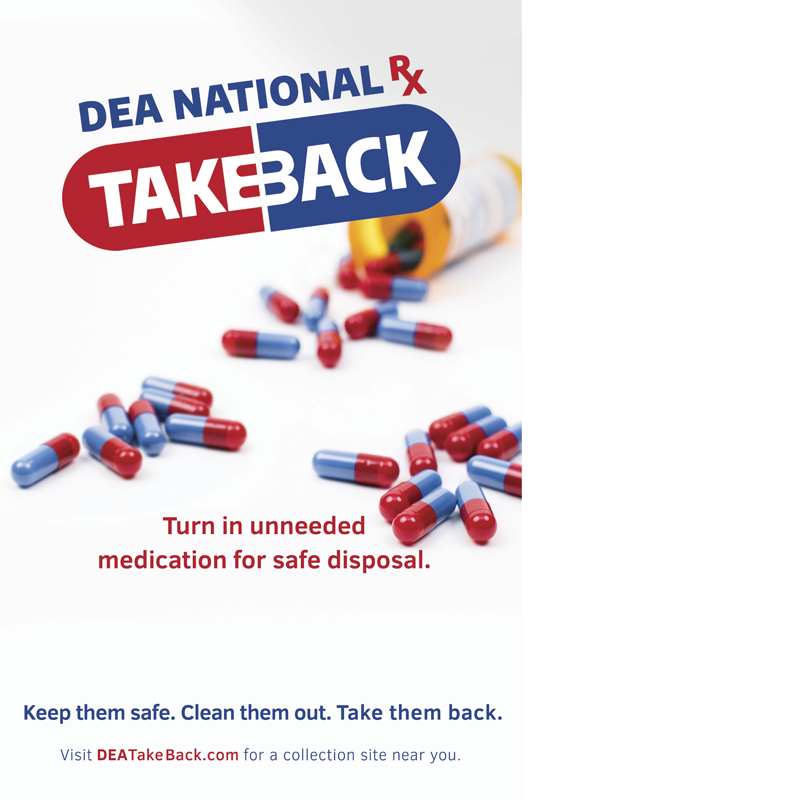
National Prescription Drug Take Back Day: A Community Effort for Safer Medication Disposal
In today’s busy world, responsible medication disposal is a subject that often gets pushed to the background. Yet, organizations like the Drug Enforcement Administration (DEA) are working closely with numerous law enforcement agencies across the nation to ensure that unused, unwanted, or expired medications are disposed of safely during events like National Prescription Drug Take Back Day. This biannual event, typically held on the last Saturday in both April and October, offers a secure method to rid communities of potentially dangerous medications, thereby helping to curb drug misuse and abuse.
From an editorial standpoint, such events are a shining example of how community effort, government oversight, and proactive law enforcement can work together to address tricky parts surrounding prescription drug disposal. The process, while simple in design, is rife with twists and turns that underscore the need for careful handling of medications once they are no longer needed by their original patients.
Community Health and Public Safety: Working Through the Fine Points of Drug Disposal
One of the key aspects behind these initiatives is the incredible partnership between the DEA and law enforcement agencies nationwide. By providing secure drop-off locations that abide by current regulations, these agencies help manage the little details of safe medication disposal in a responsible manner. Many local jurisdictions even offer year-round collection receptacles, which guarantees that residents have constant access to safe disposal options, rather than relying only on biannual events.
This coordinated effort is critical not just for maintaining public safety, but for fostering a healthy community. With prescriptions piling up in medicine cabinets across America, the potential for accidental misuse or even deliberate diversion becomes all the more real. Neighbors simply can’t afford to take these twisty issues lightly.
How Law Enforcement Partnerships Enhance Public Health
The collaboration between federal agencies, local police, and community organizations represents a key step in making sure that every involved party understands the hazardous potential of incorrect medication disposal. This public safety network helps to steer through possible pitfalls such as environmental contamination and accidental poisoning—a responsibility that could easily feel overwhelming without the proper channels in place.
Such partnerships highlight how important it is to have trusted local authorities for safely disposing of controlled substances. By working together, these agencies can set up secure collection points which not only protect the community but also demonstrate the practical benefits of well-coordinated government policies.
Understanding the Hidden Complexities of Prescription Drug Abandonment
It is no secret that leftover prescription medications can lead to all kinds of problems in households, communities, and even the broader environment. The reality is that the misuse of these drugs is frequently tied to both accidental overdoses and deliberate abuse. By providing an official channel for disposing of these medications, National Prescription Drug Take Back Day helps to alleviate many of these hidden complexities.
From the perspective of a legal journalist, the initiative seems like the right balance between enforcing the law and protecting public health. However, the entire process does present some challenging bits. There are tricky parts concerning the storage, collection, and later disposal of pharmaceuticals that require careful regulation to ensure that they do not fall into the wrong hands or contaminate the surrounding environment.
Regulatory Challenges and Community Concerns
The process of safely disposing of prescription medications is loaded with issues that need to be managed with extreme care. Some of the most nerve-racking regulatory bits include ensuring that the receptacles for disposal are secure, accessible, and adequately bagged to prevent any tampering or accidental ingestion. Agencies have to make sure that these measures conform to strict DEA regulations.
A quick look at the numbers shows just how significant this problem can be. In April alone, the DEA coordinated with 4,472 law enforcement agencies, resulting in the collection of over 620,321 pounds of medications. Such impressive figures indicate that the effort is not just symbolic—it provides measurable support towards reducing drug misuse.
Safe Disposal as a Preventative Measure for Drug Misuse and Abuse
The significance of safe medication disposal cannot be overstated. Leftover drugs in a home can fuel local misuse, contribute to pharmaceutical waste, or even become an easy resource for substance abuse. National Prescription Drug Take Back Day aims to close this gap by offering a reliable, secure method for everyone to rid themselves of any unnecessary medications.
This process is critically important for a variety of reasons. For families, it eliminates the risk of accidental ingestion by children or pets. For communities, it minimizes the environmental impact, and for law enforcement, it reduces the number of unused drugs that can’t be traced – a key factor in curbing illegal drug distribution networks.
Environmental Impact and Health Benefits
A less frequently discussed but equally important aspect of secure medication disposal is its environmental impact. When pharmaceuticals are disposed of improperly, they can seep into local water supplies or soil, potentially affecting wildlife and human populations alike. By ensuring that medications are taken to properly managed disposal facilities, the environmental footprint of these substances is significantly reduced.
In essence, every safe disposal effort contributes to cleaner water, safer soils, and reduced risks for a host of secondary public health problems. It’s a win-win scenario that underscores the importance of public cooperation with these events.
Overcoming the Intimidating Challenges of Prescription Drug Disposal
For many, the sheer volume of obsolete medications in the home can feel intimidating—an overwhelming pile of old bottles, pills, and instructions that seem to come with their own set of complications. However, taking part in initiatives like National Prescription Drug Take Back Day can help demystify the process.
When we dive in to examine these events, it becomes clear that the benefits far outweigh the hassles. Community members, even those who may not be well-versed in the legal or technical specifics, can play their part in preventing dangerous drugs from fueling new problems. With designated collection days and permanent drop-off sites available in many locations, finding common ground becomes a shared responsibility.
Public Uncertainty and Practical Solutions
It isn’t unusual for members of the public to feel a bit off-put by the complicated pieces of how exactly these events work. Many people may not be aware of the direct connection between secure drug disposal and reduced misuse at a community level. Public education is key in addressing these slight differences in understanding.
The following bullet list outlines some practical solutions to mitigate common concerns:
- Identify the nearest collection sites using official resources, such as the DEA’s Take Back Day locator.
- Clearly label and package medications according to local guidelines before disposal.
- Engage in community forums or health department workshops that provide detailed instructions on safe disposal practices.
- Support local law enforcement efforts by volunteering or spreading correct information regarding the disposal events.
These measures not only help individual community members feel more secure about how the process operates, but they also contribute positively to the overall safety environment.
Legal Implications of Medication Mismanagement and the Role of Government
On a more legal-oriented note, the repercussions of improper medication disposal extend beyond health risks to include potential legal challenges. Mismanaged pharmaceuticals can invite scrutiny from regulators, lead to lawsuits, or trigger community health crises that necessitate government intervention. The government’s role in legislating and supporting programs like Take Back Day is super important in mitigating these risks.
It is essential for residents to understand that failing to dispose of medications properly not only affects personal well-being but can also have community-wide legal implications. By ensuring that these substances are securely disposed of, local governments and law enforcement can work together to avoid many of the tangled issues associated with pharmaceutical waste.
Key Legal Responsibilities and Best Practices
When breaking down the legal responsibilities attached to drug disposal, it becomes clear that both individuals and agencies share critical obligations. Here is a table summarizing some of the key legal aspects:
| Party Involved | Responsibility | Best Practice |
|---|---|---|
| Individuals | Properly package and label medications | Follow local and federal guidelines for disposal |
| Local Law Enforcement | Facilitate secure collection | Maintain permanent drop-off sites |
| Federal Agencies | Provide oversight and coordination | Issue regular guidelines and conduct multi-agency collaborations |
This summary not only outlines the responsibility each party holds but also emphasizes the need for collaborative efforts. When each stakeholder performs their role diligently, the entire process becomes much smoother, thereby reducing the chance of unintended consequences that could complicate community health and legal matters.
Digging Deeper: The Ripple Effects of Secure Medication Disposal on Community Wellbeing
Taking a closer look at the broader effects of initiatives like Take Back Day, we see a number of beneficial ripple effects that extend well beyond simply removing unwanted medications from the home. These programs are not merely about cleaning out medicine cabinets—they are about building a healthier, safer community.
When medications are disposed of responsibly, there is less opportunity for abuse, leading to lower rates of drug dependency and related public health issues. Moreover, the reduction in unused pharmaceuticals leads to a smaller environmental footprint, ensuring that water sources and soil are not contaminated by hazardous substances.
Wider Community Benefits and Social Responsibility
The benefits of proper medication disposal can be understood through a variety of lenses. Some of these wider effects include:
- Reduced Medication Abuse: Removing surplus drugs from homes can deter potential abuse and accidental overdoses.
- Environmental Preservation: Secure disposal methods help prevent contaminated runoff that may harm wildlife and plant life.
- Enhanced Community Trust: When residents see law enforcement and government agencies working together effectively, it builds a strong sense of civic duty and trust.
- Public Health Awareness: Regular events and educational campaigns raise awareness about the risks of keeping unused medications.
These benefits highlight how small, discrete actions taken at the individual level contribute to a larger, positive social framework. By donating a few minutes of one’s day to a public initiative, countless larger issues can be effectively mitigated.
Public Education: Making the Case for Year-Round Medication Disposal Programs
One often overlooked aspect of the current system is that while National Prescription Drug Take Back Day is highly visible, many communities already have permanent drop-off points that allow for year-round safe disposal. These continuous programs are a testament to the ongoing need for secure medication disposal, independent of the biannual event.
The importance of a year-round availability of safe disposal sites cannot be understated. Amid the nerve-racking news of drug misuse and environmental hazards, these permanent receptacles offer a reassuring alternative to those who might not be able to participate in a specific event day. They also serve as a constant reminder that community health is a collective responsibility that must be managed through both flexibility and dedication.
Enhancing Public Awareness and Consistent Practices
When educating the public about these programs, several key points should come to light:
- Local government websites often feature detailed instructions on how to safely package medications.
- Law enforcement agencies sometimes offer in-person guidance and resources on proper disposal methods.
- Public health departments may host seminars to help decode the small distinctions between proper disposal and illegal dumping.
- Social media campaigns and public service announcements help to keep everyone informed and engaged.
In my view, the integration of permanent collection sites with high-profile events like Take Back Day creates a layered approach that addresses both immediate and long-term risks. The more visible the effort is, the quicker community members are likely to adopt proper disposal practices. This is a key element in fostering an environment where safety is not only preached but actively practiced.
The Role of Technology and Innovation in Expanding Access to Safe Disposal Methods
In our era of rapid technological advancement, it’s important to consider how innovation can further support the safe disposal of prescription medications. Mobile applications, such as the FOX 10 Weather App or local law enforcement web portals, can now integrate maps, schedules, and user-friendly guides on how to participate in these initiatives. These digital tools help figure a path through the sometimes confusing bits of accessing disposal sites.
Not only do these technological solutions streamline the process, but they also encourage broader public participation. For instance, when residents can easily find a drop-off location on their smartphones, the entry barrier is significantly lowered. This blend of technology and community service boosts public trust and makes it easier to reach out with optimal solutions.
Benefits of Mobile Apps and Online Resources
Here are a few benefits that technology brings to the table:
- Real-Time Updates: Residents receive notifications about upcoming events and any changes to drop-off site locations.
- User-Friendly Interfaces: Mobile apps offer straightforward navigation, making it simpler to find nearby collection points.
- Integrated Public Feedback: Many platforms allow users to share their experiences and suggestions, helping improve the overall process.
- Enhanced Communication: Online resources bridge the gap between law enforcement and community members, ensuring that everyone gets the latest information promptly.
These digital advancements underscore why embracing technology can be a game-changer in expanding access to safe disposal programs. It not only enhances transparency but also actively involves the community in maintaining public safety standards.
Examining the Economic Implications of Improper Medication Disposal
While the immediate benefits of secure medication disposal are largely health-related, the economic implications are worth discussing as well. The costs associated with healthcare injuries, environmental cleanup, and law enforcement are all tied back to the mishandling of unused drugs. By removing these medications safely, communities can avert a cascade of expensive complications.
In many communities, local governments and law enforcement agencies find that the money saved by curtailing these issues can be redirected to other meaningful public safety programs. This redirection of resources is another persuasive argument for widespread engagement with programs like National Prescription Drug Take Back Day.
Breaking Down the Financial Benefits
Consider the following bullet list which outlines the economic upside of proper medication disposal:
- Reduced Healthcare Costs: Fewer drug-related injuries translate to lower insurance claims and treatment expenses.
- Environmental Remediation Savings: Preventing pharmaceutical contamination reduces the need for costly environmental cleanup projects.
- Enhanced Productivity: With fewer incidences of drug misuse, communities experience less loss in workforce productivity.
- Lower Law Enforcement Expenses: Secure disposal minimizes the resources needed for drug diversion cases.
Although these financial benefits might seem somewhat removed from the immediate issues of safe drug disposal, they reinforce the notion that responsible practices have multidimensional advantages that touch every aspect of community life.
Voices from the Community: Real Stories and Testimonials
A crucial part of understanding the impact of National Prescription Drug Take Back Day is hearing directly from community members. Residents who have witnessed the benefits firsthand often share inspiring testimonials about how their neighborhoods have become safer and more cohesive as a result of these initiatives.
For example, many local citizens recall stories of how a well-organized drop-off event prevented a local incident of accidental medication ingestion by a child or pet. Others appreciate the opportunity to contribute to a cause that has a tangible impact on both their immediate environment and the broader national picture.
Common Themes from Community Feedback
Some themes that consistently emerge in community testimonials include:
- Peace of Mind: Knowing that potentially dangerous drugs are being removed from homes alleviates a common source of worry for families.
- Empowerment: The act of participating in a community-focused event fosters a sense of collective responsibility.
- Transparency: Seeing law enforcement and government agencies work hand in hand builds trust in public institutions.
- Education: Many residents are pleasantly surprised by how much they learn about medication safety and environmental health during these events.
These testimonials serve as a reminder that while the process might occasionally feel intimidating, the long-term gains—both in personal and community wellbeing—are well worth the effort.
Legal Perspectives: Policy and the Future of Medication Disposal
From a legal journal’s perspective, it’s important to consider what lies ahead. The current framework for medication disposal, although effective, is still working through some of the fine points of policy and public expectation. Continuous monitoring and adjustments in policy are necessary to address the subtle parts of a rapidly evolving landscape of pharmaceutical use and misuse.
In recent years, lawmakers have shown increasing interest in not only expanding the availability of disposal sites but also in enhancing public education efforts around medication safety. While these regulatory measures are full of problems that need constant attention, they aim to provide a stable foundation for future improvements.
Key Policy Considerations and Future Directions
Several critical areas need to be re-examined as we move forward:
- Updating Regulations: Current guidelines for handling and disposing of controlled substances must be reviewed to ensure they keep pace with emerging challenges.
- Increased Funding: Allocating more resources to both permanent disposal sites and public education campaigns could greatly enhance overall effectiveness.
- Inter-agency Coordination: Continued collaboration between federal agencies, state governments, and local law enforcement remains essential for a coherent approach.
- Technological Integration: Leveraging modern technology to streamline the disposal process is an area ripe for policy innovation.
As policies evolve to reflect current realities, it is imperative that community voices are also heard. By engaging in open dialogues and public forums, policymakers can better understand the real-world impacts of their decisions and adjust accordingly.
My Personal Reflections on National Prescription Drug Take Back Day
Having observed these events from both a legal and community perspective, I believe that National Prescription Drug Take Back Day is far more than a mere procedural exercise—it is a powerful statement about societal responsibility. While the process may involve a few complicated pieces and nerve-racking regulatory twists, the ultimate goal is clear: to create safer neighborhoods and healthier environments.
What I find particularly impressive is the dedication shown by local law enforcement and healthcare agencies in ensuring that every step, from collection to final disposal, is done right. Even though the idea of gathering and disposing of medications might appear off-putting at times, the benefits of reducing accidental exposures and environmental risks are too significant to ignore.
Balancing Public Safety and Individual Responsibility
In my opinion, one of the most commendable aspects of this initiative is how it marries the responsibilities of public safety with the need for individual action. It is a reminder that while laws and regulations provide structure, the real strength of any system lies in the community’s willingness to participate and take responsibility.
For instance, when citizens make use of available drop-off sites rather than discarding medications in the trash or flushing them down the toilet, they are actively contributing to a safer environment. This simple act of care, combined with robust law enforcement oversight, protects not only the immediate community but also has a ripple effect on broader societal health.
How to Get Involved: Practical Steps for Community Members
For readers wondering how they might get involved, there are plenty of accessible and practical ways to contribute to National Prescription Drug Take Back Day and similar initiatives throughout the year. The process is designed to be straightforward and inclusive, making it easy for almost anyone to take part.
Below is a step-by-step guide that can help residents figure a path toward safely disposing of their unused medications:
- Locate a Drop-Off Site: Use the official DEA website or local law enforcement resources to find a nearby collection point.
- Prepare Your Medications: Remove any personal information by keeping only the necessary details. Package the medications securely as instructed.
- Participate in Awareness Events: Many communities organize educational events or workshops around Take Back Day. These are great opportunities to learn more and ask questions.
- Spread the Word: Inform neighbors, friends, and family about the importance of proper disposal. Use your social networks to share verified information.
- Follow Up: Check back with local updates or attend follow-up sessions if available to ensure you are continuously aware of best practices.
By taking the wheel in this manner, each community member contributes to a collective effort that benefits everyone. The steps may seem simple individually, but when multiplied across thousands of households, the effort becomes a formidable force for public good.
Looking Ahead: Suggestions for Policy Enhancements and Community Engagement
As we cast our eyes toward the future, it is clear that continuous improvement is necessary to ensure that National Prescription Drug Take Back Day meets the evolving needs of our communities. Here are some suggestions that could be beneficial for both policymakers and community leaders:
- Enhanced Funding for Permanent Collection Sites: Increasing financial support for year-round drop-off centers could make safe disposal more accessible in rural and underserved areas.
- Regular Public Service Announcements: Ongoing communication via local news, social media, and public forums can keep the community informed about safe disposal procedures.
- Innovative Disposal Technologies: Investing in research for more efficient and eco-friendly disposal methods can help further minimize environmental damage.
- Stronger Community-Police Partnerships: Encouraging local law enforcement to hold regular informational sessions about the importance and process of safe medicine disposal could foster a greater sense of community involvement.
- Policy Reviews: Periodic review of disposal regulations to address any new challenges or unanticipated issues could help smooth out any tangled issues that arise over time.
In my view, if these measures are taken seriously, not only would the risks associated with leftover medications be minimized, they would also serve to enhance trust between the public and the agencies that work tirelessly behind the scenes.
Conclusion: A Collective Commitment to a Safer Future
In closing, National Prescription Drug Take Back Day stands as a beacon of proactive public health policy and community engagement. Through the careful orchestration of secure drop-off sites, regular public education, and robust inter-agency collaboration, this initiative successfully addresses the complicated pieces of drug disposal—a task that, while sometimes off-putting, has far-reaching benefits.
Every step in the process—from the coordination between the DEA and local law enforcement, to the individual act of disposing of an unused medication—plays a critical role in preventing drug misuse, protecting the environment, and even reducing the financial burden associated with improper pharmaceutical management. Through these collective actions, communities are not only working through the fine points of safe disposal but are also setting an example for other regions to emulate.
As we move forward, it remains essential for every community member to take an active role in these initiatives. By making use of technology, staying informed about updates in local disposal programs, and actively participating in events like Take Back Day, we all contribute to a safer and healthier future. Let us all embrace this opportunity to create lasting change—one secure drop-off at a time.
The journey towards completely safe medication disposal might be filled with nerve-racking regulatory twists and full of problems at times, but every challenge met along the way is a necessary part of creating a secure environment for our families, neighbors, and the world we live in. With continued dedication, education, and a willingness to work together, our communities can confidently move forward, knowing that we have taken the vital steps necessary to protect both our environment and public health.
In summary, while National Prescription Drug Take Back Day might appear as just another date marked on the calendar, it symbolizes a deeper commitment to responsible citizenship and sustainable health practices. Through these collaborative efforts, communities not only combat the immediate dangers posed by unused medications, but they also promote a legacy of awareness, responsibility, and well-being that will endure for generations.
Originally Post From https://www.fox10phoenix.com/news/saturday-is-national-prescription-drug-take-back-day
Read more about this topic at
Where and How to Dispose of Unused Medicines
Illinois: Home – Safe Drug Disposal