http://www.break.com/embed/1591908?embed=1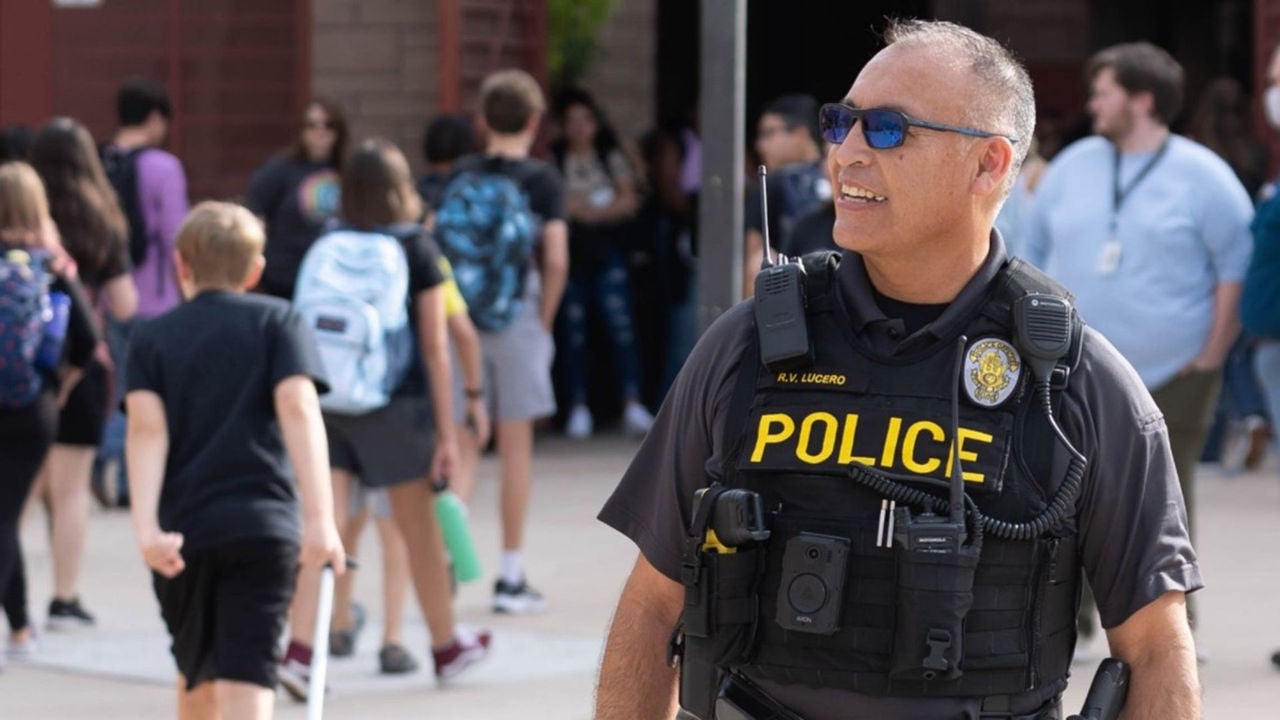
Retired Officers and School Safety: A New Chapter in Phoenix
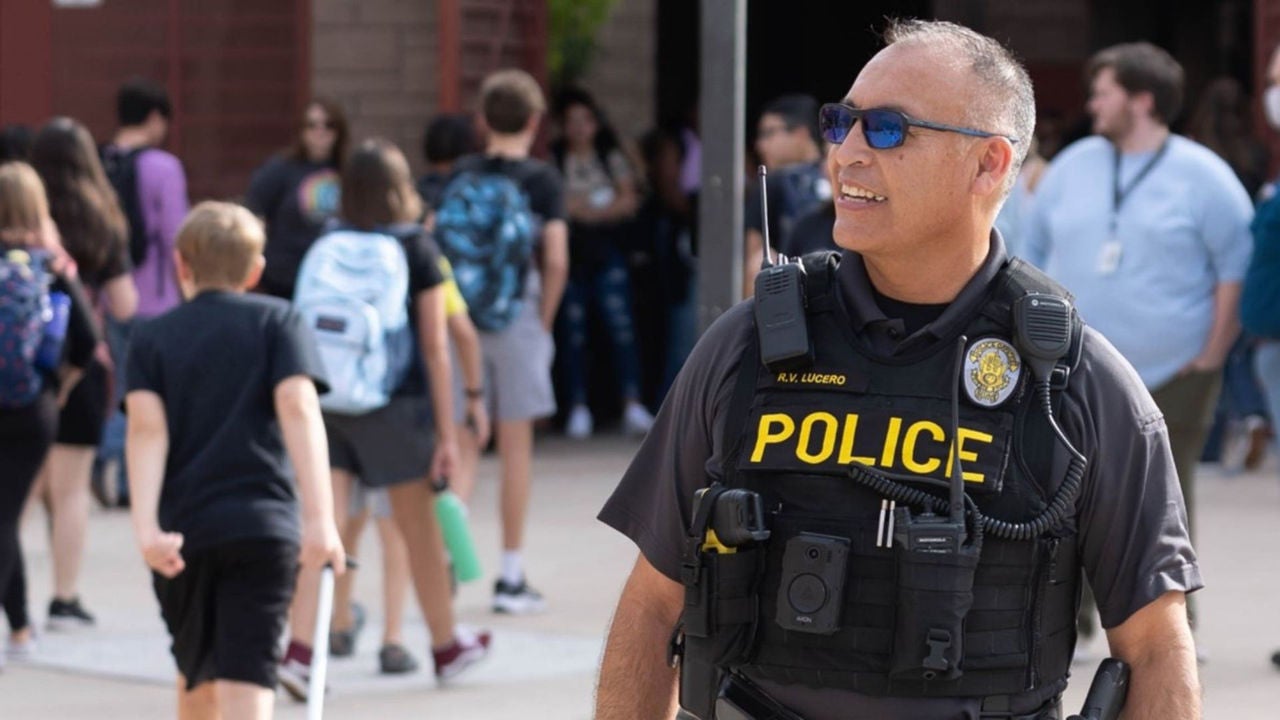
The Phoenix Police Department has recently unveiled an innovative recruitment plan that targets retired law enforcement officers to serve as school resource officers (SROs). This editorial takes a closer look at the announcement, its implications for community safety, and the potential challenges lying in the tangled issues of staffing and public trust in a changing educational landscape.
Defining the Role: What Does a School Resource Officer Do?
School resource officers play a key role in maintaining a secure atmosphere on campus. They not only attend to emergencies but also work closely with students, faculty, and staff to create a safe and supportive environment. SROs serve as both a visible deterrent to potential dangers and a bridge between enforcement agencies and the community. Their responsibilities include:
- Ensuring a visible law enforcement presence that discourages disruptive behavior
- Responding promptly to emergencies on school grounds
- Collaborating with educators to prevent and address conflicts
- Building trust and positive relationships with students and school staff
This multifaceted role requires officers who are not only well-versed in law enforcement techniques but who also possess the empathy needed to connect with younger generations. In the complex settings of schools, SROs help patch up tricky parts of community interaction and ensure that legal protocols are followed, while fostering an environment that encourages positive behavioral changes among students.
Engaging Retired Law Enforcement Officers: A Strategic Move
Under new legislation passed in May 2025, retired officers—those who have served the Public Safety Personnel Retirement System—are now being offered temporary positions as school resource officers. This change is a direct response to recruitment challenges and is intended to make up for the staffing shortages currently experienced by the Phoenix Police Department. While this strategy is welcomed by many as a pragmatic solution, it also brings with it some potential tricky parts that need careful consideration.
Some of the benefits of this recruitment strategy include:
- Utilizing a pool of experienced personnel with proven track records
- Providing immediate support to schools experiencing safety concerns
- Allowing active-duty officers to continue focusing on street-level emergencies
However, these temporary positions come with their own set of tangled issues. The roles are funded by grants from the Arizona Department of Education and will last for one year with the possibility of extensions. Despite the benefits, retired officers in these positions will not receive city retirement credits or participate financially in the city’s retirement program, which might be a sticking point for some candidates.
Challenges and Concerns: Staffing Shortages and Public Perception
Staffing shortages in police departments are not unique to Phoenix; similar nerve-racking issues are being witnessed across the nation. With active officers stretched thin, the move to recruit retired personnel is designed to address the immediate need for school safety. However, this strategy is not without potential pitfalls:
- Integration into School Culture: Retired officers may face challenges acclimating to a school’s environment, which is often very different from the streets where they previously patrolled. The shift from dealing with high-stakes crime to engaging with children and educators requires a recalibration of skills and attitudes.
- Risk of Misunderstandings: The presence of law enforcement in schools has long been a point of contention. Some community members and educators worry that even well-intentioned officers might, unintentionally, escalate tense situations or act on ingrained habits unsuitable for a school setting.
- Liability and Accountability: Since these positions do not offer full retirement benefits, questions may arise regarding the level of commitment and accountability these officers can provide. The balance between immediate staffing needs and long-term public trust is a delicate one.
These concerns underscore the importance of detailed training and a focused orientation period for retired officers transitioning to SRO roles. Establishing clear guidelines and continuous support can help them steer through the fine shades of school environments while leveraging their years of experience in the field.
Legislative Impact: How New Laws are Shaping School Safety
The new legislation signed into law in May 2025 is a fundamental aspect of this expanded School Safety Program. By allowing retired officers to take on school resource roles, state lawmakers intended to quickly address safety gaps on campuses. However, it is essential to take a closer look at the implications of this law:
- Grant-Funded Opportunities: The temporary roles are funded by grants from the Arizona Department of Education, ensuring that schools in need get immediate support. Yet, the temporary nature of these positions may leave gaps if extended beyond the grant period, especially if local funding sources do not pick up the slack.
- Enhanced Security vs. Long-term Solutions: While this legislative move provides a super important stop-gap measure, it may not fully resolve the fundamental issues behind police staffing shortages. Relying on retirees might be a practical solution now, but it also calls for discussions on how to sustain safe school environments in the future.
- Broadening the Role of Law Enforcement: This initiative blurs the traditional boundaries between educational professionals and law enforcement. The hidden complexities of this blurred line raise questions about whether all risks are being properly managed, especially when interactions occur with younger, more impressionable individuals.
The law is meant to bolster school safety, yet it is also surrounded by tricky parts that require continued dialogue among lawmakers, educators, and the police department. If successful, the initiative could pave the way for more flexible use of law enforcement resources in varied community settings.
Analyzing the Benefits: Community Safety and the Role of Experience
One of the strongest arguments in favor of hiring retired officers is the vast experience they bring to the table. Their careers have been marked by practical know-how in dealing with emergencies, managing chaotic situations, and upholding the law in environments that are often full of problems. This extensive background provides several distinct advantages:
- Seasoned Judgment: Years on the job translate to a high level of situational awareness and an ability to quickly analyze and respond to incidents—a must-have quality when dealing with school dynamics that can be unpredictable.
- Mentorship Opportunities: Retired officers can serve as mentors to younger colleagues and even to the community. They can share insights about managing certain high-pressure situations and help shape the future standards of community policing.
- Relatability Through Experience: While the work dynamics in schools differ from traditional law enforcement duties, the nuance of experience is invaluable. Familiarity with the twists and turns of policing allows retired officers to relate better to incidents that may initially seem overwhelming or nerve-racking.
Experience, however, is no guarantee of seamless adaptation. It is crucial for these officers to receive specialized training to understand how to get into the intricacies of educational settings, ensuring that their past practices adapt to the subtle parts of working with students and educators.
Addressing the Temporary Nature of the Roles
One of the points that adds to the debate is the temporary status of these positions. Given that these roles are financed by grants for one-year periods with potential extensions, they provide an excellent short-term solution while underlying structural issues are being sorted out. However, they also present several possible challenges:
- Job Security and Morale: Officers might feel that the temporary nature of their contracts gives them less stability and could affect their morale. Retired personnel accustomed to long, stable careers may find these positions off-putting if the long-term prospects are not well defined.
- Benefits and Retirement Credits: The lack of city retirement credits or participation in the retirement program is a notable downside for many. This aspect might deter some highly experienced candidates who feel that their lifetime of service should be recognized in full, including financial stability during retirement.
- Performance Evaluation: With a temporary term, the assessment and integration of these officers into the school environment must be swift yet thorough. Effective performance evaluation mechanisms will be essential to ensure that the officers are managing their responsibilities well and are suited for the educational setting.
As policymakers and law enforcement administrators figure a path through these temporary arrangements, it is important to balance the immediate need for safe schools with the long-term goal of building a workforce that is both stable and uniquely adapted to the educational environment.
Community Reactions and the Public Trust Factor
The reception to this initiative has been a mix of cautious optimism and legitimate concern. Social media platforms and local forums have become a battleground for opinions, reflecting diverse perspectives that are both supportive and critical of the move. Among the various responses, some key areas of contention include:
- Trust in Law Enforcement: For some community members, having retired officers in schools offers a sense of relief—knowing that experienced personnel are on hand to deal with emergencies. Others, however, worry that their presence might reinforce an overly militarized school environment, potentially impacting the rapport between students and the community.
- Integration Challenges: Community members are concerned about how well these seasoned professionals will adapt to the delicate dynamics of school life. There is a delicate balance between maintaining discipline and creating an atmosphere where students feel safe to express themselves freely without the weight of constant authority supervision.
- Accountability Concerns: Feedback suggests that some worry about transparency and accountability in the deployment of these temporary roles. Ensuring that these officers are easily accessible to address any grievances, and that their actions are constantly monitored, is a super important condition to maintain trust.
To address these points, it is imperative for law enforcement agencies to engage with the community actively. Organizing town hall meetings, feedback sessions, and regular performance reviews can help alleviate public concerns. This proactive approach will help build confidence in the system and ensure that the new policy does not become a source of tension.
Training and Preparation: Tailoring Skills for a School Environment
Transitioning from the high-tension environment of street policing to the delicate atmosphere of a school requires a focused recalibration of skills. Retired officers must be provided with specialized training that emphasizes the fine points of interacting with children, educators, and school administrators. Key areas for training and preparation include:
- Understanding Youth Psychology: Training modules that cover the basics of child development and adolescent psychology can empower officers to better understand the motivations behind student behaviors. Learning the slight differences in how young people respond to authority compared to adults can help create more empathetic interactions.
- De-escalation Techniques: Schools can present unexpected challenges, and the ability to calmly defuse tense situations is critical. Officers should be taught strategies to get around potentially explosive situations by focusing on dialogue rather than brute enforcement.
- Cultural Competency and Inclusion: Given the diverse population that schools serve, training must also cover cultural awareness. This ensures that officers can relate appropriately to students from various backgrounds and reduce the risk of misunderstandings.
- Legal Updates and Protocols: Even though these officers are highly experienced, the legal framework governing schools may differ from that of traditional law enforcement activities. Continuous education on new policies, state laws, and school-specific regulations is essential.
The introduction of dedicated training programs may not only serve to equip retired officers appropriately but also help them figure a path to integrate into the educational environment with confidence. This additional layer of preparation could be the key to transforming potential stumbling blocks into smooth transitions.
Public Safety and Street Policing: Balancing Dual Priorities
The decision to assign retired officers to schools has a dual impact. On one hand, it addresses the shortage of officers available to manage safety on campus; on the other, it ensures that active-duty officers remain available for street-level emergencies. This system attempts to balance two crucial aspects of public safety:
- School Security: With increasing incidents of school-related emergencies across the country, ensuring that campuses have dedicated safety personnel is super important. These officers can focus on the unique challenges present on educational premises without diverting resources from other community needs.
- Community Policing: By keeping active officers on the streets, the Phoenix Police Department aims to maintain a robust response network for general public safety. This strategy reflects an understanding that both school security and everyday law enforcement must be managed concurrently.
A comparative table below illustrates the dual priorities and their potential benefits:
| Area of Focus | Benefits | Potential Challenges |
|---|---|---|
| School Security |
|
|
| Community Policing |
|
|
This balanced approach reflects a thoughtful strategy to ensure that shifting resources to one area does not compromise safety in another. In essence, the department is attempting to find a well-calibrated equilibrium between two critical facets of law enforcement.
Addressing the Community’s Concerns: Transparency and Accountability
One of the central tenets of any law enforcement change is building and sustaining community trust. The introduction of temporary roles for retired officers has sparked mixed reactions, prompting calls for increased transparency and consistency in accountability measures. Establishing these safeguards involves several core actions:
- Regular Reporting: The department could benefit from publishing regular reports that detail the performance of the SROs, highlighting both their successes and areas that need improvement. This proactive approach can help the public get into the subtle parts of how these roles are functioning.
- Community Feedback Mechanisms: Creating channels through which community members, educators, and students can offer feedback about the presence and behavior of officers on school campuses is essential. Listening actively to community concerns is a key step in ensuring the program is effective.
- Clear Guidelines and Protocols: Establishing familiar protocols helps reduce confusion and clarifies the expectations placed on SROs. These guidelines need to be readily accessible and should encompass both disciplinary procedures and crisis management best practices.
- Oversight Committees: Independent oversight bodies can play a critical role in managing the fine points of the program. Such committees could include educators, legal experts, and community leaders to ensure that accountability measures are both transparent and fair.
Implementing these measures may help soften the initial reservations expressed by stakeholders, while also ensuring that the presence of retired officers contributes positively to campus safety without adding undue tension to the educational environment.
The Long-Term Perspective: Sustainability and Future Adaptations
While the current approach is framed as a temporary measure, its success or failure can hold significant implications on how similar challenges are addressed in the future. At present, the initiative offers a quick fix to staffing shortages; yet, it also raises a few critical questions about sustainability:
- Funding Continuity: Relying on grant funding means that long-term financial commitment from local authorities is not assured. Should the grant period lapse and if there are no alternative financial mechanisms in place, schools may once again find themselves in a safe-schools crunch.
- Integration Versus Isolation: If the temporary roles are not eventually merged into the full-time staffing roster, the division between retired SROs and permanent police officers might widen. This separation could lead to inconsistencies in policy implementation and complicate the landscape of public safety in the region.
- Adaptation to Emerging Issues: Education and community safety are ever-evolving fields. As societal challenges morph over time—from cyber threats to shifts in youth culture—there will be a need for continuous adaptation. The model should be flexible enough to incorporate new training, responsibilities, and even policy adjustments as necessary.
For policymakers and law enforcement administrators, the success of this initiative lies in its ability to adjust to ongoing changes while tracking performance indicators and learning from initial setbacks. A pilot program like this can serve as a learning ground; successes can be built upon and any missteps can be viewed as opportunities to refine strategies.
Lessons from Other Jurisdictions: Looking Beyond Phoenix
The use of retired law enforcement officers in schools is not entirely unique to Phoenix. Similar programs in other states have been implemented with varying degrees of success, offering valuable insights into what might work and what might need tweaking. Lessons learned include:
- Emphasis on Specialized Training: Jurisdictions that have invested in intensive, scenario-based training for retired officers have generally succeeded in smoothing out the transition. Focused drills, mentorship pairings with experienced SROs, and community engagement activities help foster a productive and sensitive approach to school policing.
- Transparent Communication: Regular community updates and forums have been effective in building public trust. By proactively communicating goals, challenges, and progress, departments have been able to bridge any gaps between law enforcement and the communities they serve.
- Holistic Support Networks: A successful model is one that integrates mental health support, educational initiatives, and community policing. When police work alongside school counselors and local organizations, a comprehensive safety net is established that benefits all stakeholders.
In examining these experiences through the lens of Phoenix’s approach, it becomes evident that while the recruited retired officers bring indispensable experience, they also need a robust support network that recognizes the shifting expectations of modern policing in schools.
The Future of School Resource Policing: Evolving Standards and Expectations
As schools across the country continue to grapple with challenges ranging from cyberbullying to on-campus emergencies, the role of a school resource officer is evolving. The model currently being implemented in Phoenix offers a glimpse into a future where law enforcement may be more integrated into educational settings. Some emerging trends and key expectations include:
- Hybrid Roles: Future officers may be required to perform duties that straddle security and community engagement. Blending traditional law enforcement with community outreach and child psychology could become the norm.
- Collaborative Safety Models: Rather than operating in isolation, SROs might work in tandem with other school personnel such as counselors, security staff, and local volunteer groups. Cooperation between multiple disciplines could reduce the nerve-racking risks of handling crises alone.
- Adapting to New Technologies: The integration of modern technologies—such as real-time communication apps, surveillance systems, and data analytics—could offer retired officers the tools needed to get around emerging threats more efficiently. However, understanding and efficiently using these technologies will be essential to overcome the confusing bits of digital security.
- Policy and Oversight Reforms: As the model matures, there may be a call for revised policies and better oversight mechanisms that ensure a unified approach across school districts and police departments alike. Fine-tuning the roles, responsibilities, and evaluation methods of SROs will become a super important task as the category of school safety evolves.
This future outlook requires active dialogue among law enforcement agencies, school administrations, local governments, and community members. By working together, stakeholders can figure a path that balances immediate safety concerns with long-term improvements in school resource policing.
Balancing Act: Weighing the Pros and Cons
Any innovative approach in law enforcement brings both promise and pitfalls. To provide clarity, it may be useful to look at the pros and cons associated with Phoenix’s initiative to recruit retired officers for school resource duties:
| Pros | Cons |
|---|---|
|
|
This balanced analysis shows that while the initiative is groundbreaking in its approach to bridging two critical areas of public safety, it is also loaded with issues that require constant attention and flexible policy making.
Building a Collaborative Framework for Success
The overall success of this initiative depends largely on the collaborative efforts among law enforcement agencies, educational institutions, and policymakers. To solidify the benefits while mitigating the tangled issues, several key actions are recommended:
- Enhanced Orientation Programs: Develop comprehensive orientation programs specifically designed for retired officers transitioning into school environments. These programs should address the subtle parts of educational community interactions and focus on de-escalation techniques.
- Continuous Professional Development: Implement ongoing training initiatives to keep officers updated on emerging safety protocols, cultural competency practices, and the latest law enforcement practices. Regular refresher courses can help them adapt to the evolving expectations of their roles.
- Robust Community Engagement: Engage community leaders, educators, and parents in regular dialogue to highlight successes, address concerns, and streamline communication. Transparency and accountability should be constant themes in these engagements.
- Legislative Support and Refinement: Encourage state and local lawmakers to review and adjust policies periodically to ensure that the roles of retired officers in schools remain effective and fair. Sustainable funding, clear oversight guidelines, and performance reviews can help address the potential pitfalls of temporary contracts.
- Interagency Cooperation: Promote collaboration between school administrations and multiple law enforcement agencies to ensure a seamless flow of information and operational support. This integration can help both sides work through the complicated pieces of managing safety in community settings.
These collaborative efforts can transform this initiative from a temporary fix into a long-standing model that enhances school safety, preserves community trust, and eventually sets a benchmark for other jurisdictions to follow.
Final Thoughts: A Cautious Optimism for the Future
The decision by the Phoenix Police Department to recruit retired law enforcement officers as school resource officers is a pragmatic response to immediate staffing shortages and growing concerns over school safety. While the initiative is laden with potential benefits—such as leveraging years of experience and allowing active officers to remain available for broader community issues—it also introduces a host of tricky parts that cannot be ignored.
From addressing the nuances of temporary contracts and ensuring proper training in a school environment to fostering open communication with community members, the success of this model will depend on the ability of all stakeholders to work through the fine details together. The ongoing dialogue between policymakers, law enforcement, educators, and the public will be essential in tweaking the system until it meets the dual goals of immediate security and long-term sustainability.
In closing, this experiment in community policing is a reminder of the ever-changing twists and turns in the field of law enforcement. As we watch Phoenix take this bold step to integrate retired officers into school environments, it is important to maintain a measured outlook: one that appreciates the value of experience while being mindful of the need for continuous adaptation and transparent accountability. With careful oversight and a willingness to learn from each challenge, this initiative could very well be a stepping stone to more robust and community-centered safety measures in the future.
Only time will reveal whether this approach can successfully reconcile the immediate need for safe schools with the long-term aspirations of community trust and stability. For now, it stands as an innovative attempt to dig into a set of complicated pieces that many communities across the nation are facing—a cautious but proactive effort to ensure that the safety of our children is never compromised, no matter the challenges we face on the streets.
By keeping a close eye on developments, providing comprehensive training, and building a collaborative framework, the city of Phoenix—and indeed communities everywhere—can potentially turn these nerve-racking challenges into opportunities for lasting, positive change in the realm of community safety and school policing.
Originally Post From https://www.newsbreak.com/phoenix-independent-1591908/4290199975187-phoenix-seeks-retired-law-enforcement-officers-to-work-as-school-resource-officers
Read more about this topic at
$74k-$90k Retired Law Enforcement Jobs in Atlanta, GA
Retired Officers Jobs in Atlanta, GA (NOW HIRING)